How SpaceX's rapid rocket launches impact spaceflight investments
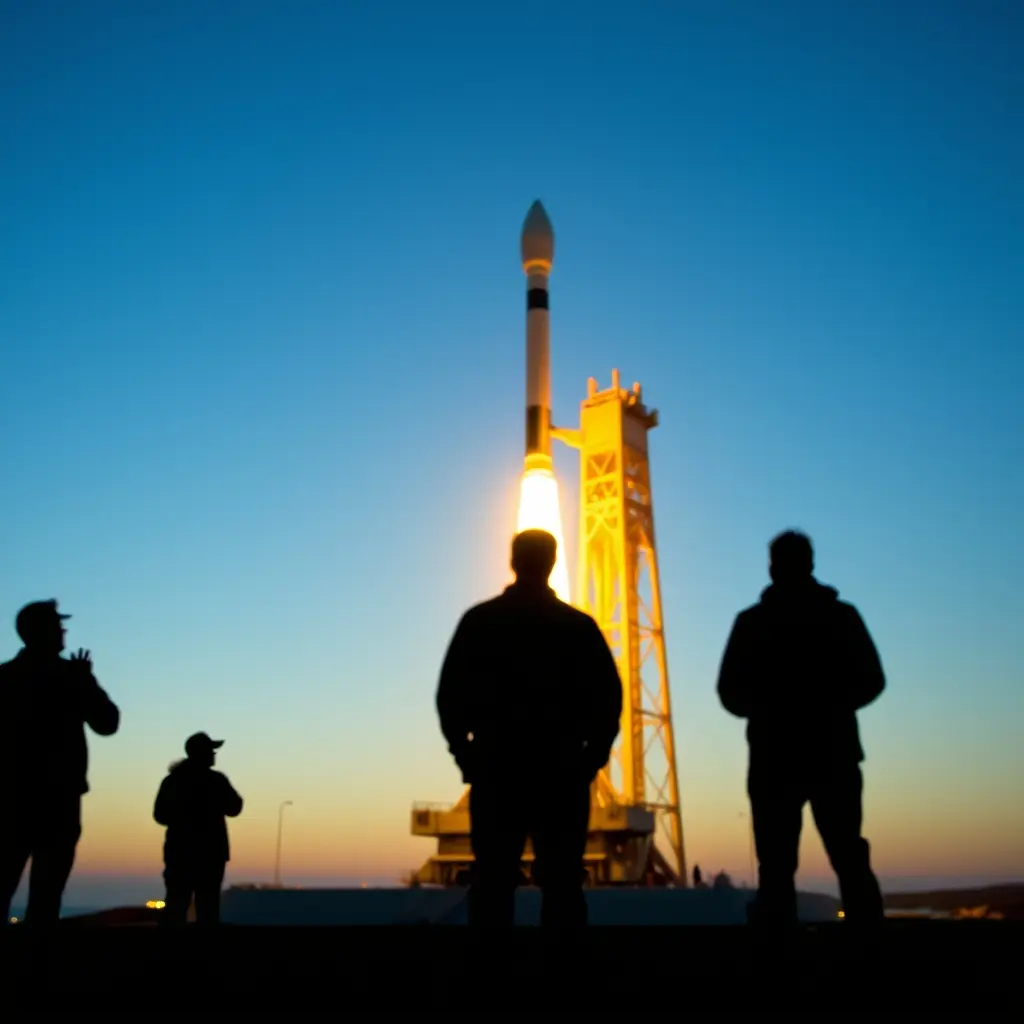
SpaceX has demonstrated an unprecedented cadence of launches, sending three rockets into orbit within a 13-hour period in late September 2026. This rapid succession of launches, including a Falcon 9 carrying astronauts to the International Space Station (ISS) and two other Falcon 9 missions, underscores the company's increasing operational tempo and its growing influence on the commercial space industry. For investors, this heightened activity signals both maturing capabilities and potential shifts in market dynamics.
This pace is a direct result of SpaceX's vertically integrated approach and its focus on reusability. The company designs, manufactures, and operates its rockets and spacecraft, allowing for tighter control over production schedules and faster turnaround times. The Falcon 9 rocket, in particular, has been a workhorse, with its reusable first stage significantly reducing the cost and time required to prepare for subsequent flights. This allows SpaceX to launch more missions, deploy more satellites, and transport more crews, thereby increasing its market share and revenue potential.
The Mechanism Behind the Launches
The ability to launch multiple rockets in such a short timeframe relies on several key factors. SpaceX's fleet of Falcon 9 rockets is designed for rapid refurbishment and relaunch. After a booster lands, it undergoes inspection, minor repairs, and testing before being prepared for its next mission. This process, honed over hundreds of previous launches, has become highly efficient.
Furthermore, SpaceX's launch sites, including Kennedy Space Center in Florida and Vandenberg Space Force Base in California, can be utilized sequentially. The company also operates its own manufacturing facilities, allowing it to produce rockets and spacecraft at a pace that outstrips competitors. The specific launches in this 13-hour window included the Crew-13 mission to the ISS, marking the quickest U.S. express flight to the station to date, alongside two other Falcon 9 missions. The Crew-13 mission, featuring a diverse crew including the first Black female commander of a U.S. crewed mission, highlights SpaceX's expanding role in human spaceflight.
Who is Affected and How
Investors in SpaceX and the broader aerospace sector are directly impacted. The company's ability to execute frequent launches can lead to increased revenue streams from satellite deployments, cargo missions to the ISS, and human spaceflight contracts with NASA and private entities. This operational efficiency can translate into higher valuations and potentially greater returns for shareholders. Companies that rely on SpaceX for launch services, such as satellite internet providers like Starlink (a SpaceX subsidiary), commercial satellite operators, and scientific research institutions, benefit from more frequent and potentially lower-cost launch opportunities.
Competitors in the launch services market, including established players like United Launch Alliance (ULA) and emerging companies, face increased pressure to match SpaceX's pace and cost-effectiveness. This could spur innovation and consolidation within the industry. For the scientific community and national space agencies, the increased launch cadence means more opportunities to send payloads, conduct experiments, and expand human presence in space. The speed record set by the Crew-13 mission also signifies a maturing U.S. capability in rapid human spaceflight, reducing transit times and increasing operational flexibility for astronauts.
What Happens Next
SpaceX is expected to continue increasing its launch cadence as it refines its processes and expands its capabilities. The company is working towards the operationalization of its Starship program, a fully reusable super heavy-lift launch vehicle, which promises to further revolutionize space access by enabling larger payloads and more ambitious missions, including lunar and Martian exploration. The success of Starship could dramatically alter the economics of space travel and colonization.
For investors, the key indicators to watch will be SpaceX's continued ability to maintain its launch tempo, the successful development and deployment of Starship, and its progress in securing long-term contracts for both satellite constellations and human spaceflight. The company's financial performance, including revenue growth and profitability, will also be crucial. The broader space industry will likely see continued investment and innovation, driven by the competitive landscape shaped by SpaceX's advancements. The ongoing demand for satellite services, space tourism, and national security space capabilities suggests a robust future for the sector, with SpaceX positioned as a dominant player.
Share this article
Send the story to readers on social or messengers.
Comments
Loading comments…

New Times Reporter
Editorial coverage from New Times Reporter.