Why is SpaceX's Crew-13 NASA mission delayed to October 1?
The Background: A Routine Mission Faces Unexpected Hurdles
SpaceX's Crew-13 mission, carrying a crew of four astronauts to the International Space Station (ISS), has been rescheduled for October 1. This launch, a standard part of NASA's Commercial Crew Program, is designed to ferry astronauts to and from the orbiting laboratory, ensuring continuous human presence and scientific research. The program, a collaboration between NASA and private companies like SpaceX, aims to reduce costs and increase access to space. Crew-13's specific crew includes NASA astronauts Matthew Dominick and Michael Barratt, along with Roscosmos cosmonaut Alexander Grebenkin and Canadian Space Agency astronaut Joshua Kutryk.
The delay stems from a combination of factors, including the need for additional pre-launch checks and preparations, as well as the ongoing operational tempo of the ISS. These missions are complex undertakings, requiring meticulous planning and execution. Any unforeseen technical issue or logistical challenge can necessitate a postponement to ensure crew safety and mission success. The Crew-13 mission follows closely on the heels of other recent launches and resupply missions to the ISS, highlighting the demanding schedule of space operations.
The Mechanism: How SpaceX Launches Astronauts
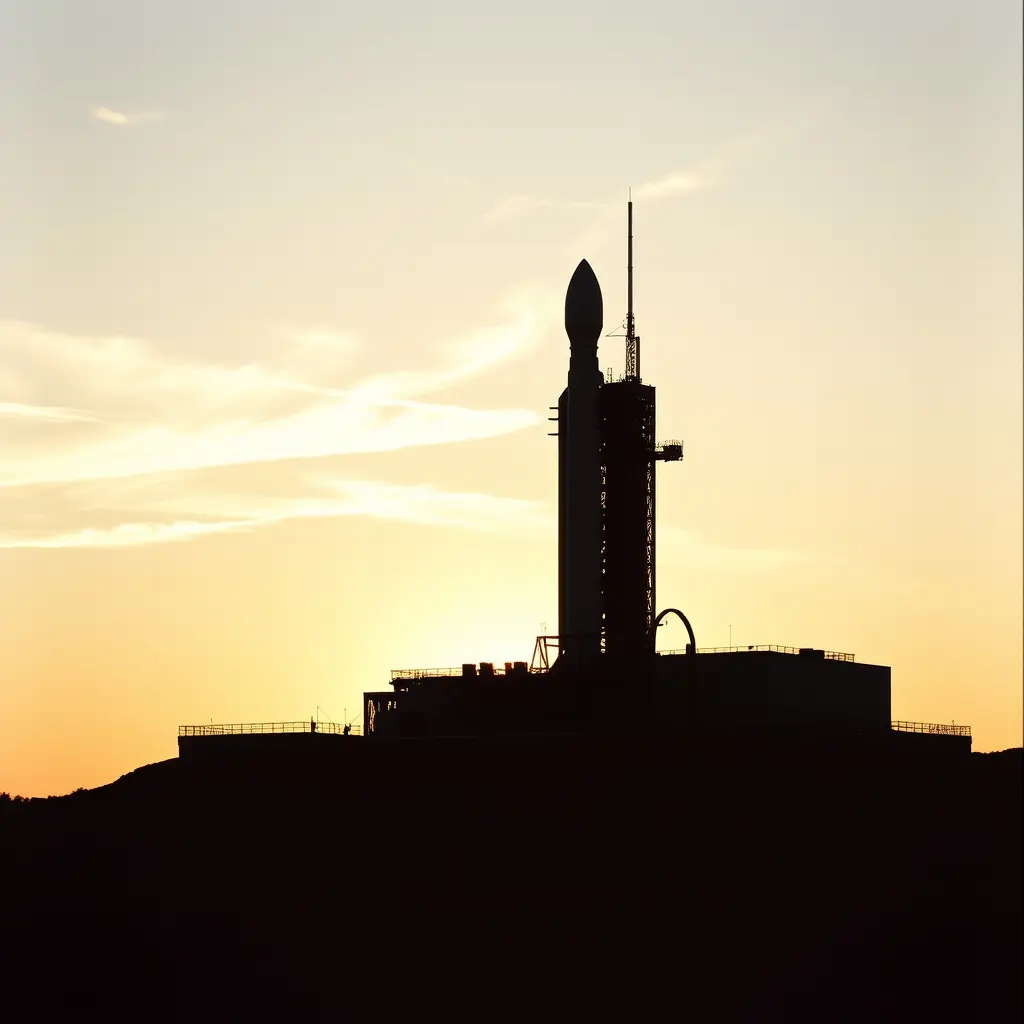
SpaceX's human spaceflight operations rely on the Falcon 9 rocket and the Crew Dragon spacecraft. The Falcon 9 is a two-stage rocket designed for reliability and reusability, with its first stage capable of returning to Earth for landing and subsequent use. The Crew Dragon is a capsule designed to carry up to seven astronauts, equipped with advanced life support systems, navigation, and communication capabilities.
The launch process begins with the fueling of the Falcon 9 rocket. Once the crew is safely aboard the Crew Dragon, which sits atop the rocket, the launch sequence is initiated. The first stage engines ignite, generating immense thrust to lift the rocket off the launchpad. Shortly after liftoff, the first stage separates and begins its descent for a controlled landing, often on an autonomous drone ship at sea or on a landing pad. Meanwhile, the second stage ignites to propel the Crew Dragon into orbit.
Once in orbit, the Crew Dragon performs a series of maneuvers to rendezvous and dock with the ISS. This complex orbital ballet requires precise timing and navigation. Upon arrival, the astronauts transfer to the station, where they will live and work for several months, conducting scientific experiments and maintaining the ISS. The return journey involves undocking from the ISS, re-entry into Earth's atmosphere, and a splashdown in the ocean, followed by recovery of the capsule and crew.
Who Is Affected and How
The primary individuals directly affected by this delay are the four astronauts assigned to the Crew-13 mission: Matthew Dominick, Michael Barratt, Alexander Grebenkin, and Joshua Kutryk. Their carefully planned training schedules and personal preparations for a multi-month stay on the ISS are now adjusted. For Kutryk, a Canadian astronaut, this mission represents a significant career milestone, and the extended wait requires continued adaptability and mental readiness.
Beyond the crew, the delay impacts NASA and its international partners, including Roscosmos and the Canadian Space Agency. The ISS operates with a rotating crew, and delays in crew rotations can affect the continuity of research projects and the overall operational efficiency of the station. Scientists and researchers who rely on the ISS as a platform for their experiments may also see their timelines shifted, as astronaut availability for specific tasks changes.
Furthermore, the delay has implications for SpaceX's launch cadence and its broader commercial operations. While the Falcon 9 and Crew Dragon are designed for regular use, each launch requires significant resources and coordination. A delay in one mission can have ripple effects on subsequent launches and the company's ability to fulfill its contractual obligations with NASA and other clients.
What Happens Next
The immediate next step is the October 1 launch attempt for Crew-13. If successful, the astronauts will proceed with their mission to the ISS as planned. Following their arrival, they will undertake their assigned duties, contributing to scientific research and station maintenance. Their mission duration is expected to be several months, after which they will return to Earth via a splashdown.
However, space missions are subject to unforeseen circumstances. If further technical issues arise or if the ISS operational environment changes, the October 1 launch could be postponed again. In such a scenario, a new launch date would be determined based on the resolution of the issues and the availability of launch windows. The astronauts would continue their preparations, maintaining readiness for an eventual liftoff.
Looking further ahead, the success of Crew-13 and subsequent missions will be crucial for NASA's long-term goals in human spaceflight, including the Artemis program and the eventual development of commercial space stations. SpaceX's continued reliability and performance in crewed missions are vital for maintaining the partnership between NASA and private industry, shaping the future of space exploration.
Share this article
Send the story to readers on social or messengers.
Comments
Loading comments…

New Times Reporter
Editorial coverage from New Times Reporter.