How much has NASA paid SpaceX for ISS crew transport?
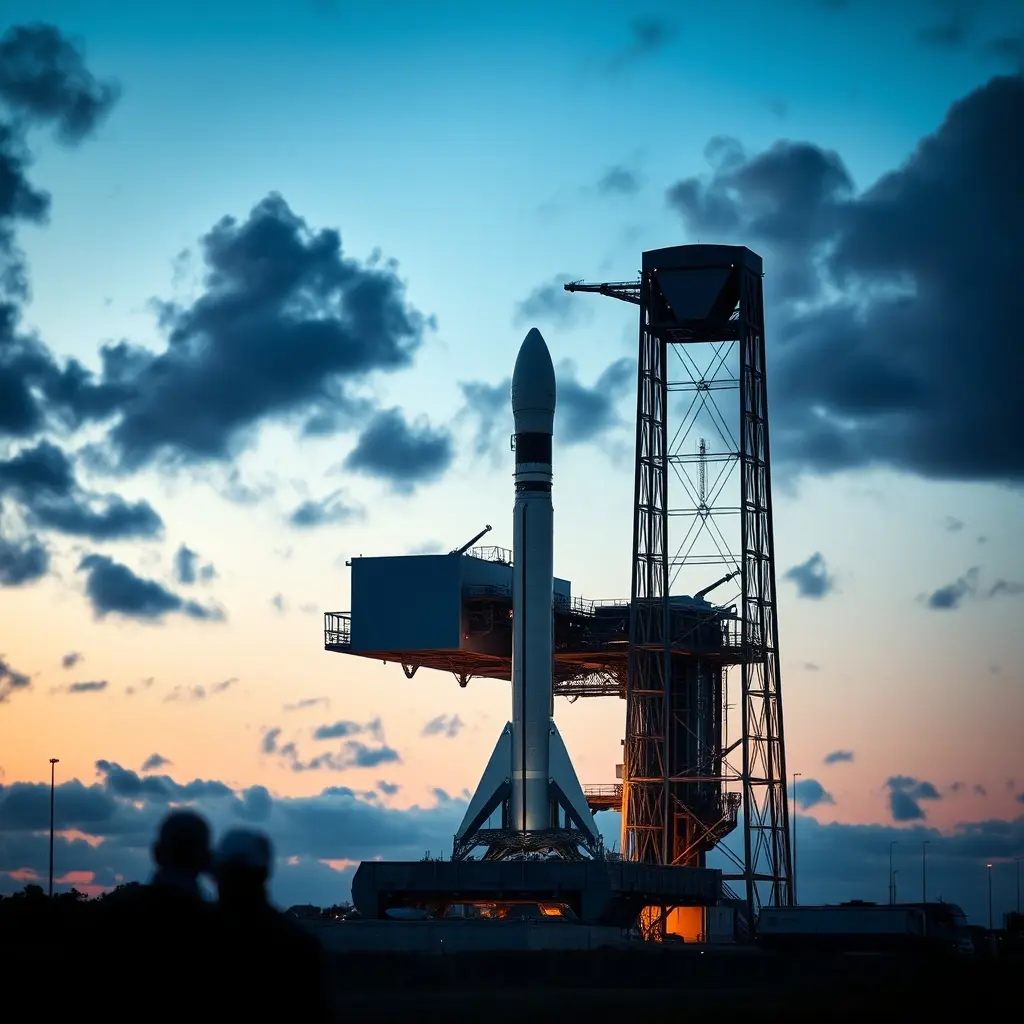
NASA has awarded SpaceX an additional $950 million for three more crewed missions to the International Space Station (ISS), bringing the total value of their Commercial Crew Transportation Capability (CCtCap) contract to over $4.9 billion. This latest funding, announced in September 2026, covers the operational phase of transporting astronauts to and from the orbiting laboratory. SpaceX's Dragon spacecraft, launched atop the company's Falcon 9 rocket, has been NASA's sole provider for crewed orbital transport since the retirement of the Space Shuttle program in 2011.
This new funding underscores NASA's continued reliance on SpaceX for astronaut transport, especially as the agency prepares for its Artemis missions to the Moon. The additional flights are crucial for maintaining a continuous human presence on the ISS, which requires regular crew rotations. The CCtCap contract, initially awarded in 2014, was designed to foster a commercial space transportation industry, reducing NASA's costs and increasing access to space. SpaceX was selected alongside Boeing, though Boeing's Starliner program has faced significant delays and cost overruns, leading NASA to place greater emphasis on SpaceX's capabilities.
The Mechanism of Commercial Crew Transport
SpaceX's role in transporting NASA astronauts to the ISS operates through a well-defined process. The core of the system is the Crew Dragon spacecraft, a capsule designed for human spaceflight. It is launched by SpaceX's Falcon 9 rocket from Kennedy Space Center in Florida. Upon reaching orbit, the Crew Dragon autonomously docks with the ISS. Astronauts typically spend several months aboard the station, conducting scientific research and maintaining its systems.
To return to Earth, the Crew Dragon undocks from the ISS and performs a deorbit burn, using its thrusters to slow down. The capsule then re-enters Earth's atmosphere, deploying parachutes to slow its descent. It lands in the ocean off the coast of Florida, where recovery teams are waiting to retrieve the astronauts and the spacecraft. This entire process is managed by SpaceX, with NASA overseeing safety and mission objectives. The additional $950 million will fund the manufacturing, launch, and recovery operations for three specific missions, designated as SpaceX's Crew-15, Crew-16, and Crew-17.
Who is Affected and How
This significant funding injection directly impacts NASA's human spaceflight program and, by extension, the astronauts who will fly on these missions. For NASA, it ensures the continued ability to send crews to the ISS, a vital platform for international scientific collaboration and research that benefits life on Earth. The funding also provides financial stability for SpaceX's crewed launch operations, allowing them to continue investing in and refining their technology. This reliability is paramount as NASA increasingly depends on commercial partners for its space exploration goals.
For the astronauts selected for these upcoming missions, the contract extension means a clearer path to space. They can train with the assurance that their flights are secured. The broader scientific community also benefits, as the uninterrupted flow of astronauts to the ISS means continuous operation of experiments and research projects. Furthermore, the success of SpaceX's program has a ripple effect, encouraging further private investment in space technology and potentially lowering costs for future space endeavors, which could eventually benefit commercial space tourism and other ventures.
What Happens Next
With this additional funding, SpaceX is expected to proceed with the planning and execution of the next three operational crewed missions to the ISS. These flights will likely occur between late 2027 and 2029, depending on the ISS's operational needs and the schedule of other missions. NASA will continue to work closely with SpaceX to ensure all mission requirements are met, including astronaut training, spacecraft readiness, and safety protocols.
The future of NASA's crewed transport beyond these missions hinges on several factors. Continued success and reliability from SpaceX will be critical for NASA to consider further contract extensions or new agreements. Simultaneously, NASA will be closely monitoring the progress of other commercial crew providers, particularly Boeing's Starliner, to assess if it can become a viable second option for crewed transport. The agency's long-term strategy also involves the development of its own deep-space transportation capabilities for missions beyond low Earth orbit, such as the Artemis program's Orion spacecraft. The success of these commercial partnerships will shape the landscape of human spaceflight for decades to come.
Share this article
Send the story to readers on social or messengers.
Comments
Loading comments…

New Times Reporter
Editorial coverage from New Times Reporter.