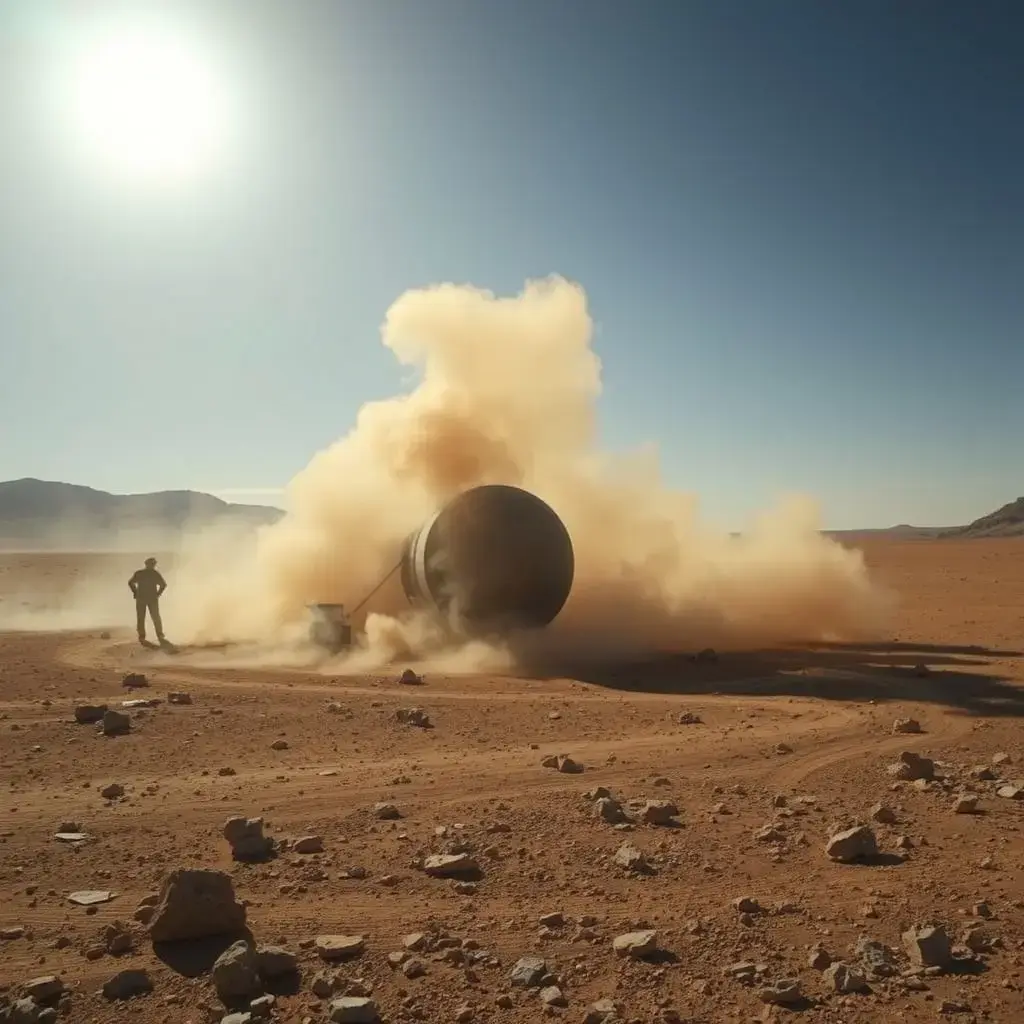
Why is Boeing's Starliner crucial for NASA's astronaut transport?
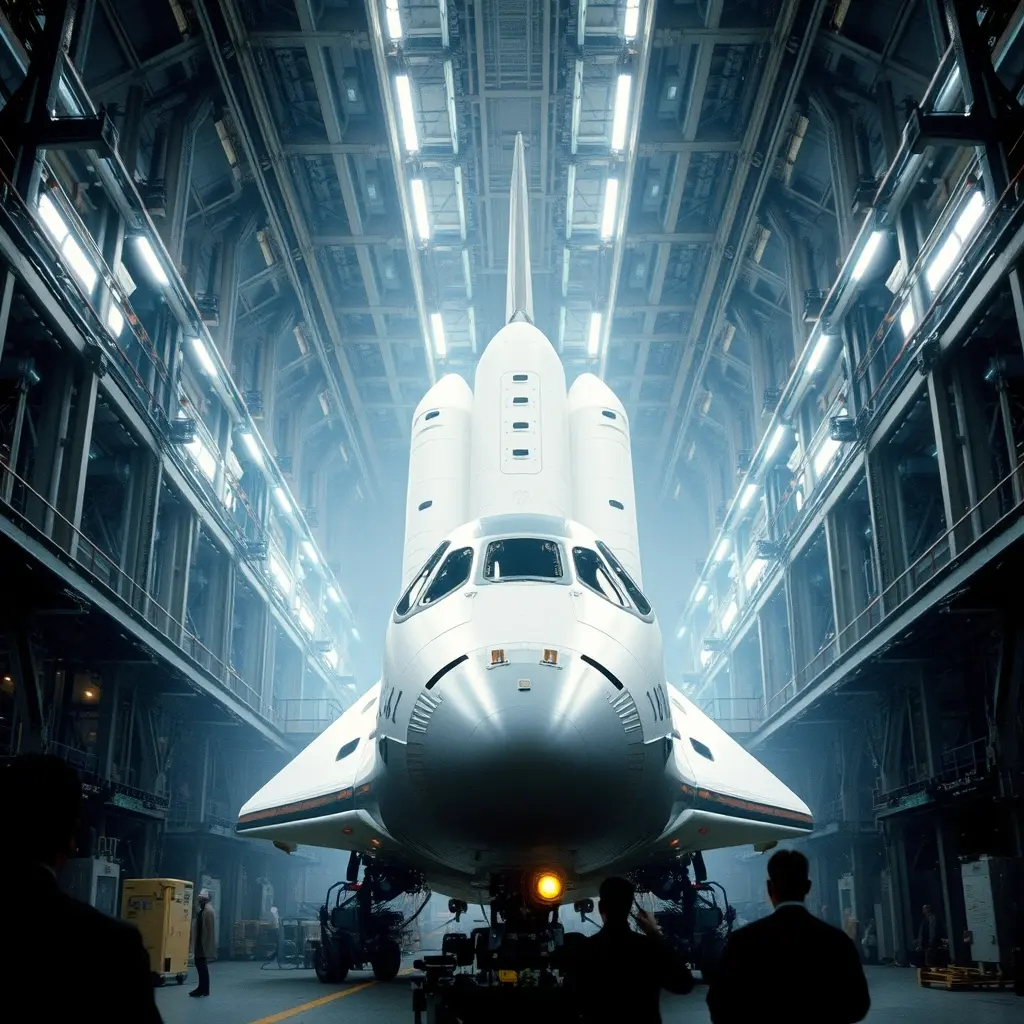
Boeing's CST-100 Starliner spacecraft is undergoing a critical uncrewed test flight to the International Space Station (ISS) this year, a mission vital for NASA's ability to transport astronauts. This follows a series of delays and technical challenges that have plagued the program since its inception. The urgency stems from NASA's reliance on Starliner as its second commercial crew transportation system, intended to provide redundancy and flexibility alongside SpaceX's Crew Dragon.
With the ISS needing regular crew rotations and the potential for unforeseen issues with existing systems, having a fully certified and operational second vehicle is paramount. The success of this uncrewed test flight, officially designated as the Crew Flight Test (CFT), is necessary to clear the path for astronaut missions and ensure NASA can meet its commitments to the space station. Failure would force NASA to rely solely on SpaceX, increasing risk and potentially limiting mission opportunities.
The Background: A Second Ride to Orbit
NASA's Commercial Crew Program, initiated in 2010, aimed to revitalize American human spaceflight capabilities by partnering with private companies. The goal was to develop two distinct U.S. commercial crew transportation systems to ferry astronauts to and from the ISS, ending reliance on Russia's Soyuz spacecraft. Boeing's Starliner and SpaceX's Crew Dragon were selected in 2014 to compete for these contracts.
While SpaceX successfully completed its initial crewed test flight in May 2020 and has been regularly transporting astronauts since, Boeing's Starliner program has encountered significant setbacks. These include parachute issues, software glitches, and problems with the spacecraft's propulsion system. A previous crewed flight test in May 2022 had to be aborted due to valve issues, and astronauts were temporarily stranded on the ISS in July 2024 due to a helium leak and thruster problems on their returning Starliner capsule, forcing an extended stay aboard the station.
The Mechanism: How Starliner Works
The CST-100 Starliner is designed to carry up to seven astronauts, or a mix of crew and cargo, to low Earth orbit. It consists of two main components: the crew and service module (CSM) and the launch abort system (LAS). The CSM is a reusable capsule that houses the crew, life support systems, and controls, while the service module contains propulsion, power, and thermal control systems.
Starliner launches atop a United Launch Alliance (ULA) Atlas V rocket. Once in orbit, it performs a series of maneuvers to rendezvous and dock with the ISS. For undocking and return, Starliner uses its thrusters to deorbit and then re-enter Earth's atmosphere, deploying parachutes to slow its descent before landing on solid ground, typically in the western United States. The LAS is a safety system designed to pull the crew capsule away from the rocket in case of an emergency during ascent.
Who is Affected and How
The primary stakeholders are NASA astronauts, the ISS program, and the future of human space exploration. For astronauts, Starliner's success means a reliable second option for reaching the ISS, reducing the risk associated with a single point of failure. The ISS program benefits from the increased flexibility in crew rotations and the ability to bring up essential supplies and equipment.
Boeing, as the manufacturer, faces immense pressure to demonstrate Starliner's reliability. A successful CFT mission would validate years of development and billions of dollars in investment, potentially securing future contracts and restoring confidence in its space division. Conversely, another failure could lead to significant financial repercussions and reputational damage, potentially impacting its ability to compete for future NASA missions.
What Happens Next
The immediate next step is the uncrewed CFT mission, which must successfully reach the ISS, perform its planned operations, and return safely to Earth. If this mission is successful, NASA will likely certify Starliner for operational crewed missions. This would allow Boeing to begin routine crew rotations to the ISS, complementing SpaceX's service.
However, if the CFT mission encounters significant issues or fails, NASA will be forced to re-evaluate its options. This could involve extending the operational life of SpaceX's Crew Dragon, exploring alternative launch providers, or even delaying certain ISS operations. The long-term viability of the Starliner program would be in serious doubt, potentially leading to its cancellation and a significant blow to Boeing's aspirations in human spaceflight.
Share this article
Send the story to readers on social or messengers.
Comments
Loading comments…

New Times Reporter Staff
Compiled and edited by the New Times Reporter newsroom from wire and publisher reporting, with the original source credited on every story.