Why Ukraine's air defenses are failing against Russian missiles
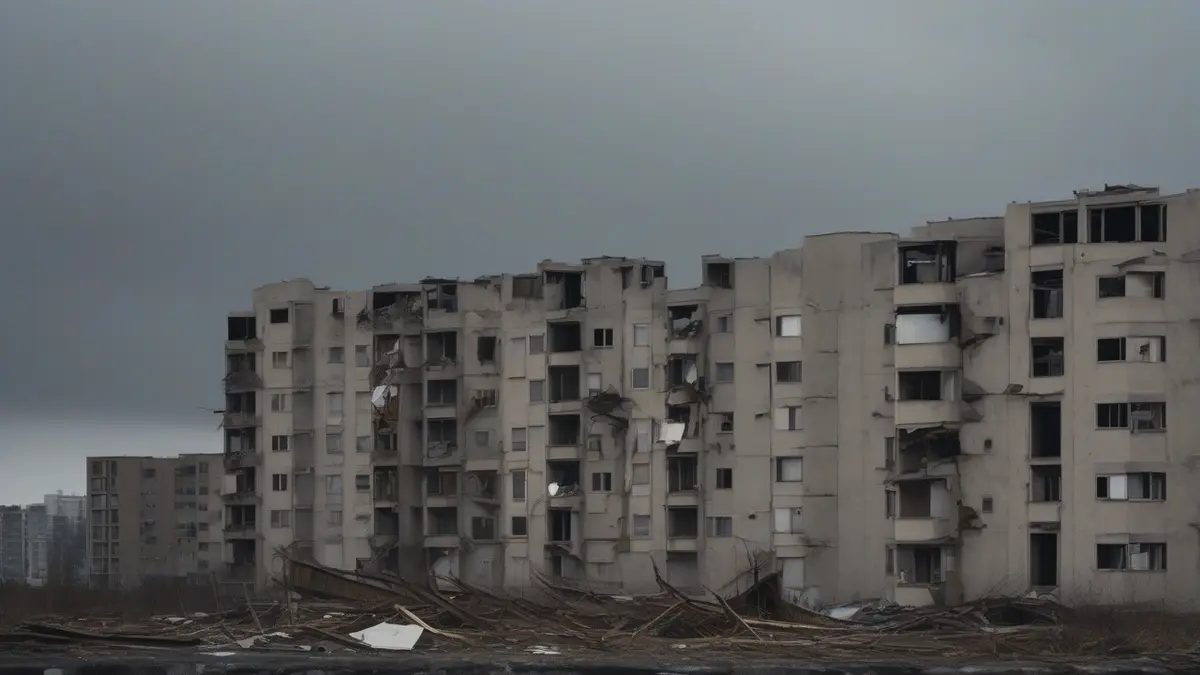
The Growing Strain on Ukraine's Air Defenses
Ukraine's air defense systems are facing an increasingly dire situation, struggling to intercept a growing number of Russian missile and drone attacks. The failure to stop a recent barrage of ballistic missiles on Kyiv, which killed at least 17 people on August 5, 2026, highlights this critical challenge. This event underscores a broader trend: as the conflict continues, Ukraine's Western-supplied air defense capabilities are being stretched thin, leading to greater vulnerability in cities and civilian areas.
The effectiveness of Ukraine's air defenses has been a crucial factor in its ability to withstand Russia's full-scale invasion since February 2022. However, the constant demand on these systems, coupled with the pace of Russian attacks and the limited supply of interceptor missiles, has created a precarious balance. The reliance on a patchwork of systems from various international partners, each with its own logistical and replenishment challenges, further complicates the effort to maintain adequate protection.
How Air Defenses Work and Why They Are Failing
Ukraine's air defense network is a layered system designed to detect, track, and destroy incoming aerial threats, including cruise missiles, ballistic missiles, and drones. These systems typically consist of radar installations for early warning and tracking, command and control centers to coordinate responses, and various missile launchers capable of engaging targets at different altitudes and ranges. Key Western-provided systems include the Patriot system from the United States, the SAMP/T from France and Italy, and Germany's IRIS-T and Gepard anti-aircraft systems.
The primary challenge Ukraine faces is the finite nature of interceptor missiles. While Western allies have pledged significant support, the production and delivery of these sophisticated munitions cannot always keep pace with the rate of expenditure. Russia, conversely, has demonstrated a capacity to launch sustained and varied aerial assaults, including increasingly sophisticated ballistic missiles like the Kinzhal and Iskander, which are harder to intercept. The recent attack on Kyiv, which reportedly involved ballistic missiles that Ukraine's air defense units were unable to counter, suggests that existing stockpiles of interceptors for these specific threats may be depleted or insufficient.
Furthermore, the coordination of diverse air defense systems from multiple nations presents logistical hurdles. Each system requires specialized training, maintenance, and ammunition, creating a complex supply chain. Russia has also adapted its tactics, employing decoys and electronic warfare to degrade the effectiveness of Ukrainian defenses, forcing them to expend precious interceptors on less critical targets or to miss others entirely.
Who Is Affected and How
Civilians in Ukrainian cities are the most directly affected by the degradation of air defenses. The inability to intercept incoming missiles and drones means a higher risk of casualties and damage to critical infrastructure. Since the strikes began, residential areas, energy facilities, and transportation hubs have been repeatedly targeted. The August 5 attack on Kyiv, which caused widespread destruction and fatalities, is a stark example of the consequences when air defenses falter.
Beyond immediate physical harm, the psychological toll on the population is immense. The constant threat of air raids, coupled with the knowledge that defenses may not be sufficient, creates pervasive anxiety and disrupts daily life. Businesses struggle to operate, and essential services can be interrupted. For the Ukrainian military, the depletion of air defense assets means a greater challenge in protecting front-line troops and rear bases from aerial bombardment, potentially impacting operational effectiveness and troop morale.
Economically, the damage to infrastructure and the disruption of supply chains have significant repercussions. Rebuilding destroyed facilities requires substantial resources, and the ongoing threat deters investment and economic recovery. The ability of Ukraine to export goods, particularly agricultural products, also remains vulnerable to attacks on port facilities and transportation routes.
What Happens Next
The future of Ukraine's air defense capabilities hinges on several factors. The most critical is the continued and accelerated supply of interceptor missiles from Western partners. Countries like the United States, Germany, and France are working to increase production, but the timeline for significant increases remains uncertain. If Western allies can provide a steady and sufficient flow of interceptors, particularly for ballistic missiles, Ukraine's ability to defend its skies could improve.
Another potential development is the deployment of more advanced air defense systems. While Ukraine already operates systems like the Patriot, additional batteries or newer variants could bolster its capabilities. However, the training and integration of such systems take time and resources. Russia's own actions will also play a significant role. If Russia continues to prioritize high-volume ballistic missile attacks, it could further strain Ukraine's defenses. Conversely, if Russia shifts its focus to less missile-intensive tactics, Ukraine might regain some breathing room.
Ultimately, a lasting solution likely requires a combination of sustained international military aid, increased domestic and allied production of air defense munitions, and potentially a diplomatic resolution to the conflict. Without a significant increase in interceptor supply, Ukraine's air defenses will likely continue to face severe challenges, leaving its population and infrastructure vulnerable to Russian aerial assaults.
Share this article
Send the story to readers on social or messengers.
Comments
Loading comments…

New Times Reporter
Editorial coverage from New Times Reporter.