Why is Apple releasing iOS 27.0.1 for iPhone?
The Background: A Patch for Persistent Problems
Apple's release of iOS 27.0.1 follows a series of user-reported issues that emerged with the initial rollout of iOS 27.0. These problems ranged from minor annoyances to more significant functional disruptions, impacting the user experience for a notable segment of iPhone owners. The quick issuance of a point-one update suggests Apple prioritizes addressing these specific glitches to maintain user confidence and the perceived stability of its operating system.
While iOS 27.0 introduced new features and refinements, the subsequent bug reports highlighted areas needing immediate attention. These included visual anomalies on certain iPhone models and unexpected device behavior. The company's rapid response with iOS 27.0.1 underscores its commitment to a seamless user experience, a cornerstone of its brand identity. This iterative approach to software updates is standard practice in the mobile industry, allowing for swift corrections without waiting for a larger feature release.
The Mechanism: How iOS Updates Work
Software updates for iPhones, like iOS 27.0.1, are delivered over-the-air (OTA) by Apple. When an update is available, iPhones connected to Wi-Fi and sufficiently charged will receive a notification. Users can then choose to download and install the update immediately or schedule it for later. The process involves downloading a package of code that replaces or modifies existing software components on the device.
For a minor update like 27.0.1, the package is typically smaller than a major version release, focusing on specific bug fixes and security patches. The installation process requires the device to restart, during which the new software is applied. This ensures that all system processes are running with the updated code. Apple's update servers manage the distribution, ensuring that compatible devices receive the correct version of the software. The update process is designed to be user-friendly, with clear on-screen instructions guiding the user through each step.
Who Is Affected and How, Concretely
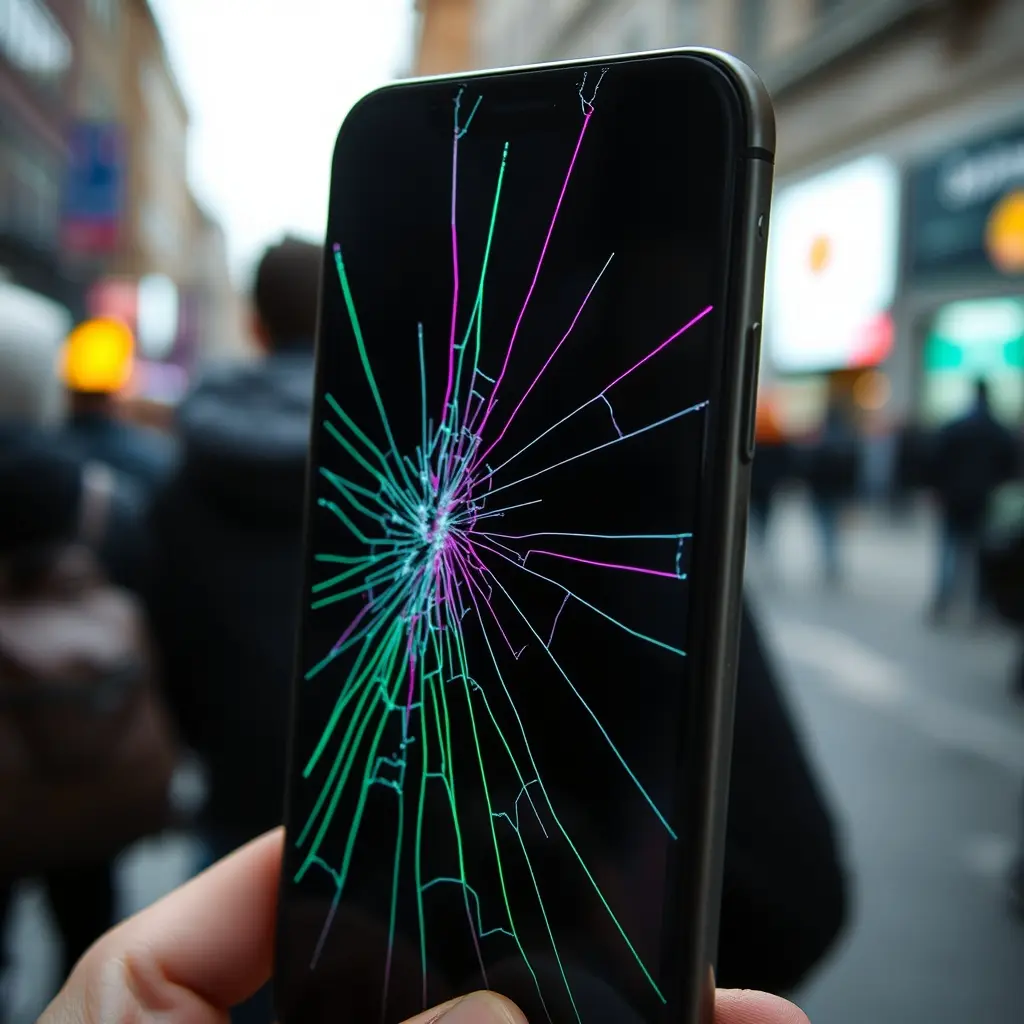
Users experiencing specific issues with iOS 27.0 are the primary beneficiaries of iOS 27.0.1. This includes iPhone owners who reported the appearance of green and pink lines on their screens, particularly on iPhone 18 Pro models. This visual artifact could disrupt normal phone usage, making it difficult to read text or view images clearly. Additionally, users who encountered random shutdowns and restarts on their iPhones will find relief with this update.
These random restarts could lead to lost unsaved data, interrupted calls, or an inability to use the phone when needed. For business professionals or individuals relying heavily on their iPhones for communication and productivity, these issues could cause significant disruption and frustration. The fix aims to restore the expected stability and reliability of the iPhone, ensuring that the device functions as intended without these unpredictable behaviors.
What Happens Next, and What Would Have to Be True
With the release of iOS 27.0.1, Apple aims to resolve the reported bugs and restore full functionality for affected users. The next step is for users to download and install the update. Success will be measured by a significant decrease in user complaints related to the green/pink screen lines and random shutdowns across Apple's support forums and social media channels. If the update proves effective, this will be the last users hear of these particular issues.
However, if the problems persist for a substantial number of users after installing iOS 27.0.1, it would indicate that the fixes were either incomplete or that there are underlying hardware issues not addressed by software. In such a scenario, Apple might need to release another software update (e.g., iOS 27.0.2) or, in more severe cases, offer hardware repairs or replacements for affected devices. For the update to be considered a complete success, users should see a return to the expected performance and stability of their iPhones without further incident.
Share this article
Send the story to readers on social or messengers.
Comments
Loading comments…

New Times Reporter
Editorial coverage from New Times Reporter.