Why would SpaceX and Tesla merge?
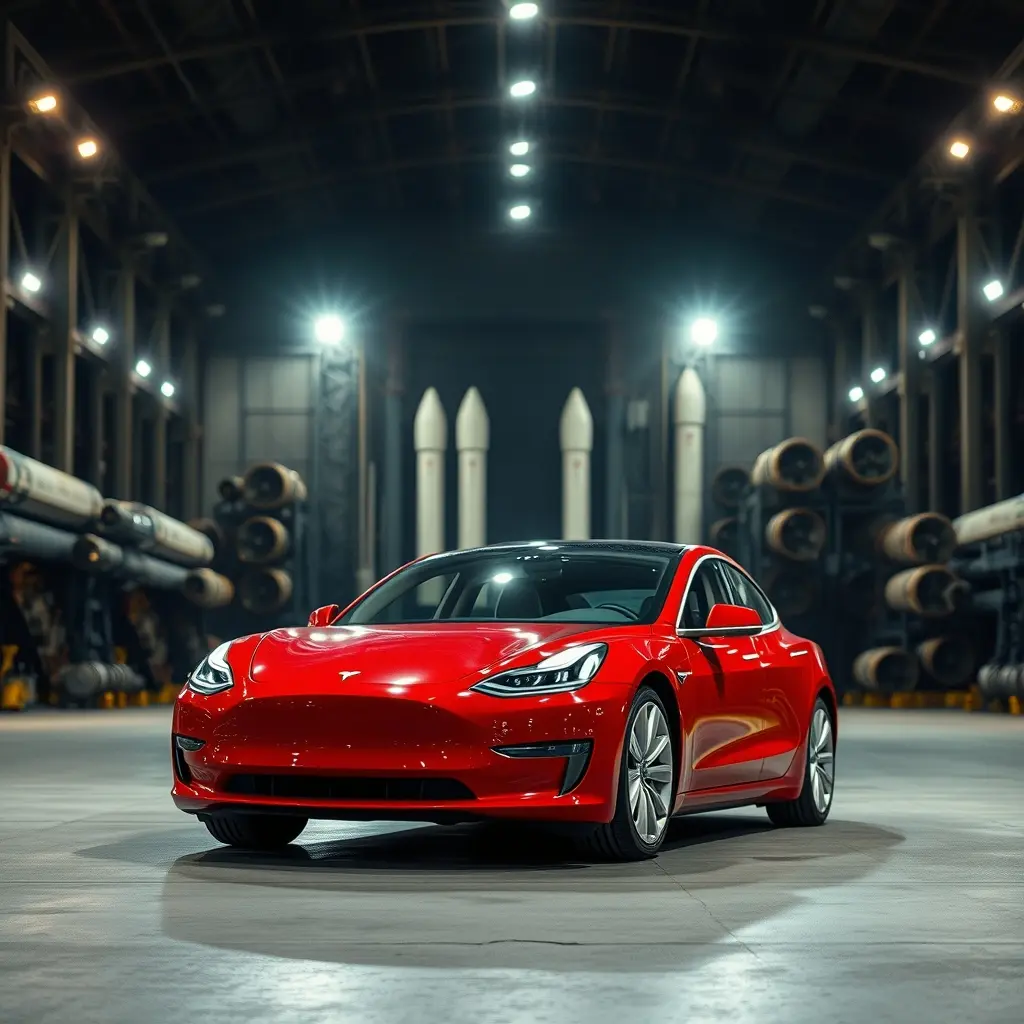
Elon Musk has suggested he would support a merger between his electric vehicle company Tesla and his aerospace company SpaceX, a move that would consolidate two of his most prominent ventures. The idea gained traction after SpaceX reported a significant profit in the third quarter of 2026, largely driven by its burgeoning artificial intelligence (AI) computing services. Musk stated that special committees of independent directors at both companies have been tasked with exploring the potential combination, though he recused himself due to a conflict of interest. The proposal, while intriguing, faces substantial hurdles, including the need for broad shareholder approval and the complex integration of two vastly different businesses.
How a SpaceX-Tesla Merger Might Work
The potential merger would involve combining Tesla, a publicly traded electric vehicle and energy company, with SpaceX, a privately held aerospace manufacturer and space transport services company. Elon Musk holds significant stakes in both entities: approximately 20 percent of Tesla and a controlling 48.4 percent of SpaceX, with even greater voting power. For the merger to proceed, special independent committees at each company would need to negotiate terms. Any deal would then require approval from a majority of all Tesla shareholders, a high bar given the company's large and diverse investor base. Musk has indicated that the two companies could find synergies in areas such as AI software development, chip design, robotics, and space-based computing, leveraging SpaceX's substantial AI computing infrastructure.
Who is Affected and How
Shareholders of both Tesla and SpaceX would be directly impacted. Tesla shareholders would gain exposure to SpaceX's rapidly growing AI and satellite internet businesses, potentially diversifying their investment beyond automotive and energy. SpaceX shareholders, if the company were to go public through the merger, would see their shares traded on a major exchange, offering liquidity and market valuation. Employees of both companies could see changes in organizational structure, reporting lines, and potentially career opportunities as the two entities integrate. Customers might experience integrated product offerings or services, though the specifics would depend on the strategic direction of the merged entity. The general public, and particularly those interested in AI, space exploration, and electric vehicles, would witness the creation of a potentially vast conglomerate with significant influence across multiple cutting-edge industries.
What Happens Next
The immediate next step involves the independent committees at Tesla and SpaceX continuing their evaluation of a potential merger. These committees will negotiate the terms of any deal, including valuation, share exchange ratios, and governance structures. Musk has cautioned that a merger is not a certainty and that the committees have not yet agreed on terms. If an agreement is reached, it will then be presented to Tesla's shareholders for approval. The high threshold for shareholder consent means that a significant portion of Tesla's investors, including institutional holders, would need to support the deal. Should the merger proceed, the integration of SpaceX's operations, including its AI computing services, Starlink satellite internet, and rocket development, with Tesla's automotive and energy businesses would be a complex undertaking. The success of such a merger would hinge on realizing the anticipated synergies in AI, chip design, and robotics, and navigating the regulatory and logistical challenges of combining such diverse enterprises. The ongoing expansion of SpaceX's AI computing capacity, with a goal of 10 gigawatts online by 2027, and the continued development of its Starship rocket, will be key factors influencing the valuation and strategic fit of any combined entity.
Share this article
Send the story to readers on social or messengers.
Comments
Loading comments…

New Times Reporter
Editorial coverage from New Times Reporter.