How do Starlink V2 Mini satellites boost internet speeds?
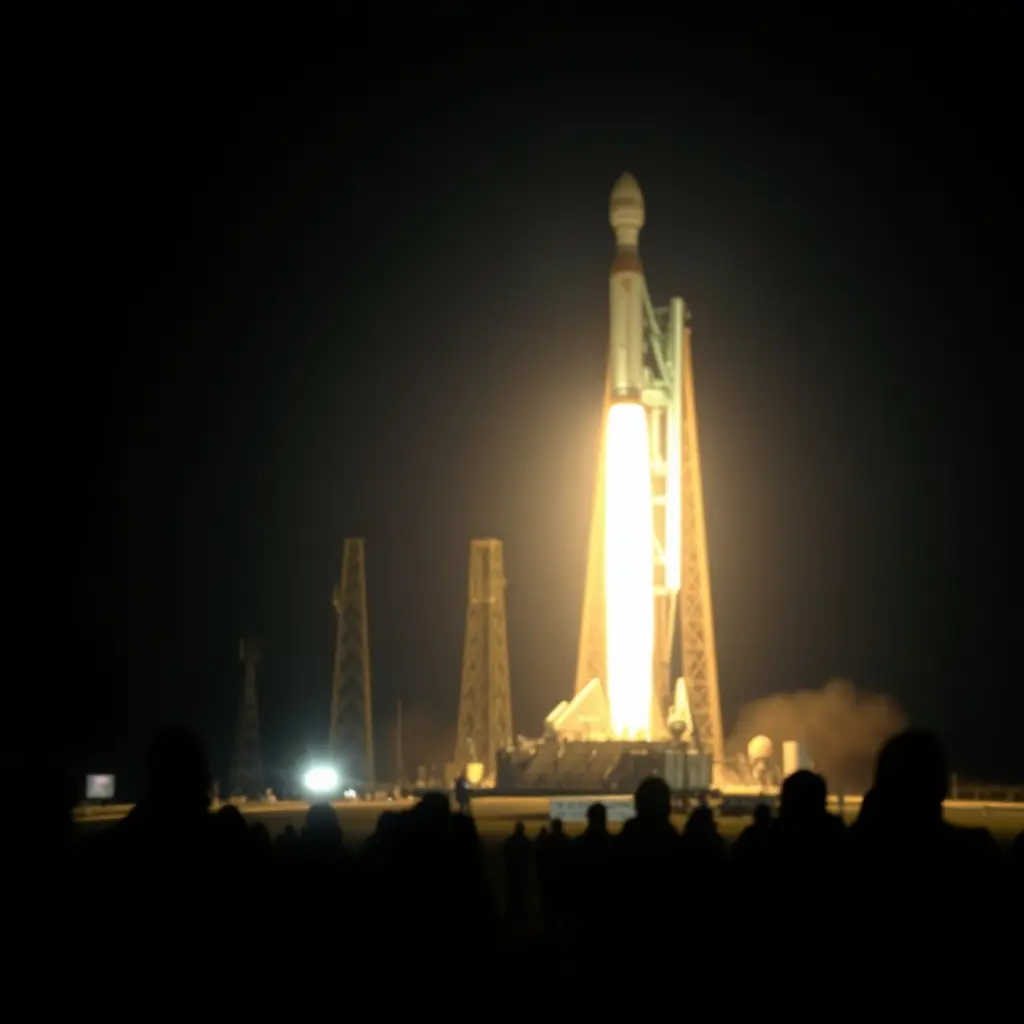
SpaceX's recent launch of 27 Starlink V2 Mini satellites aboard a Falcon 9 rocket from Vandenberg Space Force Base in California is part of an ongoing effort to expand and enhance its satellite internet service. These newer, larger satellites are designed to offer a significant upgrade in capacity and performance compared to their predecessors, directly impacting the user experience for those relying on Starlink for internet access.
The key difference in the V2 Mini satellites lies in their capabilities. They are equipped with more powerful phased-array antennas and a wider beamwidth, allowing them to communicate with more ground terminals simultaneously. This increased capacity means more data can be transmitted to and from each satellite, translating to higher download and upload speeds and reduced latency for users. Additionally, these satellites are designed to support direct-to-cell phone communication, a feature that could revolutionize mobile connectivity in remote areas.
The Starlink Network and V2 Mini Upgrades
SpaceX's Starlink constellation aims to provide high-speed, low-latency broadband internet access globally, particularly in underserved and rural regions. The network consists of thousands of satellites orbiting Earth in low Earth orbit (LEO). Traditional Starlink satellites, while effective, have limitations in terms of data throughput and the number of users they can serve. The V2 Mini satellites represent an evolutionary step, building upon the foundational Starlink architecture.
These V2 Mini satellites are larger and heavier than earlier versions, requiring SpaceX's Falcon 9 rocket for deployment. Their advanced design includes enhanced laser inter-satellite links, which allow satellites to communicate with each other directly, creating a more robust and efficient network backbone. This reduces reliance on ground stations and improves connectivity in areas far from terrestrial infrastructure. The V2 Mini satellites are also designed to be more efficient in their use of the radio spectrum, further increasing overall network capacity.
How Starlink V2 Mini Satellites Improve Performance
The V2 Mini satellites employ several technological advancements to boost internet performance. Their larger size allows for more powerful transmitters and receivers, as well as larger, more sophisticated phased-array antennas. These antennas can steer beams electronically, focusing more signal strength on areas with higher user demand and allowing for more simultaneous connections.
Furthermore, the increased bandwidth and improved spectral efficiency mean that more data can be packed into the same amount of radio frequency. This directly translates to higher download and upload speeds for end-users. Latency, a critical factor for real-time applications like video conferencing and online gaming, is also reduced due to the optimized signal paths and the sheer number of satellites providing coverage. The direct-to-cell capability, while still in its early stages, promises to extend internet access to standard mobile phones without requiring special hardware, a significant leap for global connectivity.
Who is Affected and How
Individuals and businesses in areas with limited or no broadband options are the primary beneficiaries of Starlink's expansion. This includes rural communities, remote research stations, and maritime operations. As more V2 Mini satellites are deployed, these users can expect more reliable internet service with speeds that can rival or exceed those offered by traditional fiber optic connections in some locations.
For existing Starlink users, the addition of V2 Mini satellites to the constellation should lead to improved performance, especially in densely populated areas where network congestion might have previously been an issue. This means faster downloads, smoother streaming, and more responsive online experiences. The direct-to-cell feature, once fully implemented, could also mean that mobile phone users in remote areas will no longer be without service, a significant change for safety, communication, and convenience.
What Happens Next
SpaceX plans to continue launching Starlink V2 Mini satellites regularly as part of its ongoing strategy to build out the constellation. The company aims to achieve near-global coverage and significantly increase the capacity of its network. Future iterations of Starlink satellites are expected to be even more capable, potentially incorporating further advancements in antenna technology, power efficiency, and inter-satellite communication.
The success of Starlink hinges on SpaceX's ability to launch and deploy satellites at a rapid pace, manage orbital traffic, and navigate regulatory approvals in different countries. If SpaceX can maintain its launch cadence and overcome any technical or regulatory hurdles, Starlink is poised to become a dominant force in global internet provision, especially in markets that are currently underserved by terrestrial broadband infrastructure. The ongoing deployment of V2 Mini satellites is a critical step in realizing this vision, promising a tangible improvement in internet access for millions worldwide.
Share this article
Send the story to readers on social or messengers.
Comments
Loading comments…

New Times Reporter
Editorial coverage from New Times Reporter.