How fast is the Doomsday Glacier melting?
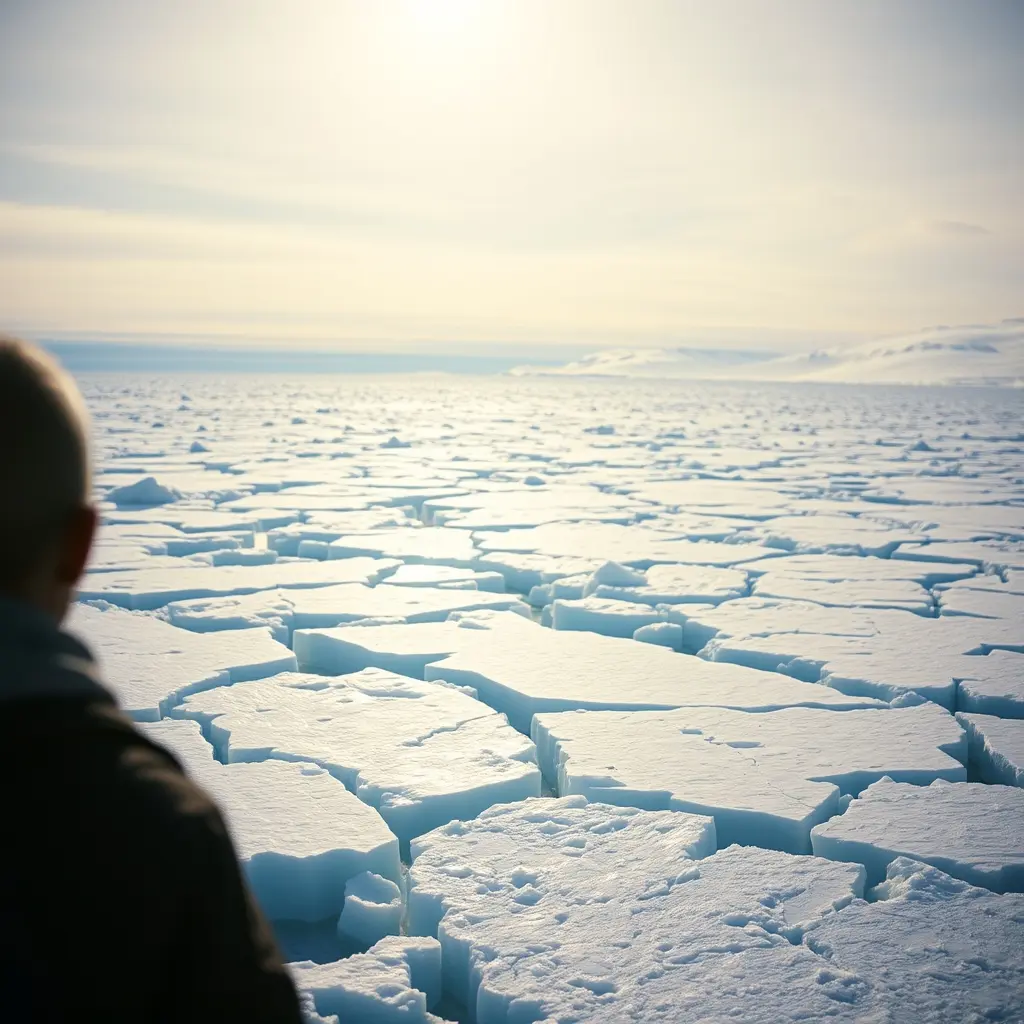
Scientists have long known that Antarctica's Thwaites Glacier, nicknamed the 'Doomsday Glacier,' is melting. However, recent research indicates that its retreat is happening at a much faster and more aggressive rate than previously understood. This accelerated melting has significant implications for global sea levels and coastal communities worldwide.
The Doomsday Glacier is a critical component of the West Antarctic Ice Sheet. Its immense size and strategic location mean that its stability is crucial for the entire region's ice. If Thwaites were to collapse entirely, it could lead to a global sea level rise of several feet, inundating coastal cities and displacing millions of people.
The Background: Why Thwaites Glacier Matters
Thwaites Glacier, located in West Antarctica, is roughly the size of Florida or Great Britain. It acts as a natural dam, holding back a vast amount of ice in the surrounding West Antarctic Ice Sheet. Its grounding line—the point where the glacier lifts off the seabed and begins to float—is particularly vulnerable. For decades, scientists have monitored Thwaites, observing a steady retreat. However, the pace of this retreat has become a growing concern, particularly since the early 2000s when more sophisticated monitoring techniques became available.
Previous studies, including those conducted by the International Thwaites Glacier Collaboration (ITGC), have highlighted areas of concern, such as the glacier's eastern ice shelf and the presence of warm ocean water circulating beneath it. The ITGC, a joint project between the United States and the United Kingdom, has deployed advanced underwater vehicles and remote sensing technologies to gather data. This ongoing research has consistently pointed to a glacier under significant stress, but the latest findings suggest that the stress is translating into a more rapid disintegration than anticipated.
The Mechanism: How Thwaites is Accelerating Its Melt
The primary driver of Thwaites Glacier's accelerated melting is the intrusion of warm ocean water beneath its floating ice shelf. This warm water, originating from the deep ocean, circulates into the cavities beneath the glacier's ice shelf, where it comes into contact with the ice. The warmer water erodes the ice from below, a process known as basal melting. This melting weakens the ice shelf, making it more susceptible to fracturing and breaking apart.
Recent research, utilizing autonomous underwater vehicles like 'Icefin,' has provided unprecedented, close-up views of the glacier's underside. These observations have revealed that the warm ocean water is not only reaching the grounding line but is also penetrating further inland than previously modeled. This allows for more extensive melting at the critical point where the ice rests on the seafloor. Furthermore, the complex topography of the seabed beneath Thwaites creates channels that can funnel warmer water directly to its most vulnerable sections. As the ice shelf thins and retreats, it exposes more of the glacier's underside to these warm currents, creating a feedback loop that accelerates the melting process.
Who is Affected and How
Ultimately, the accelerated melting of the Doomsday Glacier affects everyone on Earth, but the most immediate and severe impacts will be felt by coastal populations. A significant rise in global sea levels, even by a foot or two, would lead to increased coastal flooding, erosion, and saltwater intrusion into freshwater sources. This would threaten homes, infrastructure, and agricultural land in low-lying areas.
For communities in places like South Florida, Bangladesh, or the Netherlands, this could mean widespread displacement and the need for massive, costly adaptation measures, such as building higher sea walls or relocating entire towns. For island nations, particularly in the Pacific, a substantial sea level rise could render their territories uninhabitable, leading to a loss of sovereignty and culture. Beyond direct inundation, changes in ocean currents and weather patterns, potentially influenced by the melting of large ice sheets, could also have far-reaching consequences for global climate stability and ecosystems.
What Happens Next
The future of Thwaites Glacier hinges on several factors, primarily related to ocean temperatures and the rate of ice loss. If ocean warming continues unabated, driven by global greenhouse gas emissions, the conditions that promote accelerated melting will persist and likely intensify. This would lead to a continued, and possibly faster, retreat of Thwaites, increasing the likelihood of its eventual collapse and contributing significantly to sea level rise throughout the 21st century and beyond.
However, if global efforts to curb climate change are successful in limiting future warming, the rate of ice loss from Thwaites could slow down. This would require aggressive reductions in greenhouse gas emissions to stabilize ocean temperatures. Scientists will continue to monitor the glacier using satellites, aircraft, and autonomous underwater vehicles to track its progress. The ITGC and other research bodies will refine their models based on new data, providing increasingly accurate projections. The response of the international community to climate change mitigation and adaptation will determine the ultimate fate of the Doomsday Glacier and the extent of its impact on global sea levels.
Share this article
Send the story to readers on social or messengers.
Comments
Loading comments…

New Times Reporter
Editorial coverage from New Times Reporter.