How Iran Could Control the Strait of Hormuz
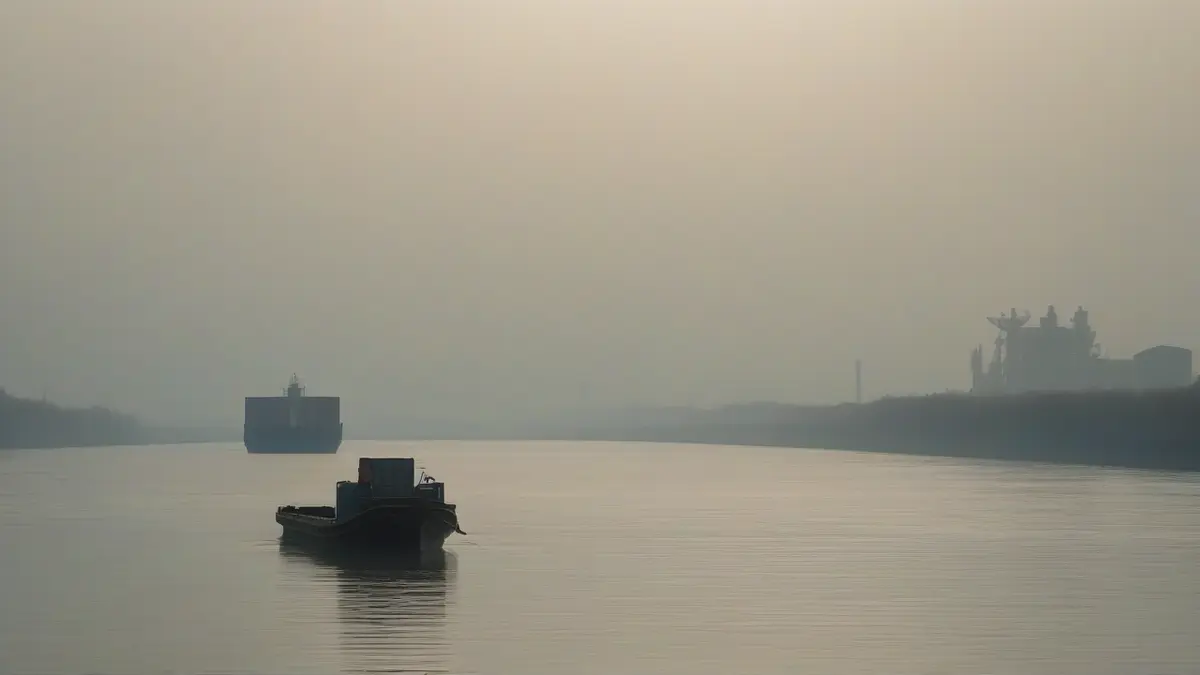
Iran has proposed a deal that would grant it significant control over the Strait of Hormuz, a critical global shipping lane. The proposed arrangement, detailed in reports from August 2026, would give Iran authority over inbound traffic and oversight of outbound vessels. This move, if enacted, could fundamentally alter the geopolitical and economic dynamics of the region, impacting global oil prices and international maritime security.
The Background: A Vital Waterway Under Pressure
The Strait of Hormuz, a narrow 21-mile-wide channel between Iran and Oman, is one of the world's most important oil transit points. Approximately 30 percent of the world's seaborne oil trade passes through it daily. For decades, international powers, particularly the United States, have maintained a naval presence to ensure freedom of navigation and the unimpeded flow of oil. Tensions between Iran and the US have frequently escalated in this region, with Iran on several occasions threatening to disrupt shipping or block the strait, particularly in response to economic sanctions.
The Mechanism: Inbound Control and Outbound Oversight
The core of Iran's proposed deal centers on asserting its sovereignty and security interests within the strait. "Inbound control" would likely mean Iran would have the authority to inspect, regulate, or even deny passage to vessels entering the strait from the Persian Gulf. This could involve customs checks, security screenings, or the enforcement of Iranian maritime laws. "Outbound oversight" suggests Iran would monitor and potentially influence vessels leaving the strait towards the Arabian Sea and beyond. This could extend to tracking cargo, ensuring compliance with international sanctions (or selectively enforcing them), or even asserting rights over vessels transiting international waters but passing close to Iranian shores. The specifics of how this control and oversight would be implemented remain a point of contention and negotiation.
Who is Affected and How, Concretely
This proposed shift in control would have far-reaching consequences. For global energy markets, any disruption or increased cost associated with transit through Hormuz could lead to higher oil prices, impacting consumers worldwide. Oil-producing nations in the Persian Gulf, heavily reliant on exporting through the strait, would be particularly vulnerable to Iranian actions. Major shipping companies and insurers would face increased risks and potentially higher premiums. The US military, which has historically patrolled the strait to ensure free passage, would need to reassess its operational posture and diplomatic strategy. For Iran, securing such control would be a significant geopolitical victory, enhancing its regional influence and providing leverage against international pressure.
What Happens Next, and What Would Have to Be True
The future of this proposed deal hinges on complex negotiations and the willingness of international actors, particularly the United States and Gulf Arab states, to accept Iran's expanded role. If a deal is reached and implemented, it could usher in a new era of maritime security in the Persian Gulf, with Iran playing a dominant role. Alternatively, if negotiations fail or if Iran attempts to unilaterally enforce its demands, the risk of military confrontation could increase, potentially leading to a blockade or conflict. The outcome depends on diplomatic breakthroughs, the assessment of economic and security risks by all parties, and the broader geopolitical climate in the Middle East. A key factor will be whether Iran's demands are seen as a legitimate assertion of sovereignty or an unacceptable threat to international commerce and security.
Share this article
Send the story to readers on social or messengers.
Comments
Loading comments…

New Times Reporter
Editorial coverage from New Times Reporter.