'It's a new kind of impact': SpaceX rocket crash creates new crater on the Moon
A New Lunar Scar
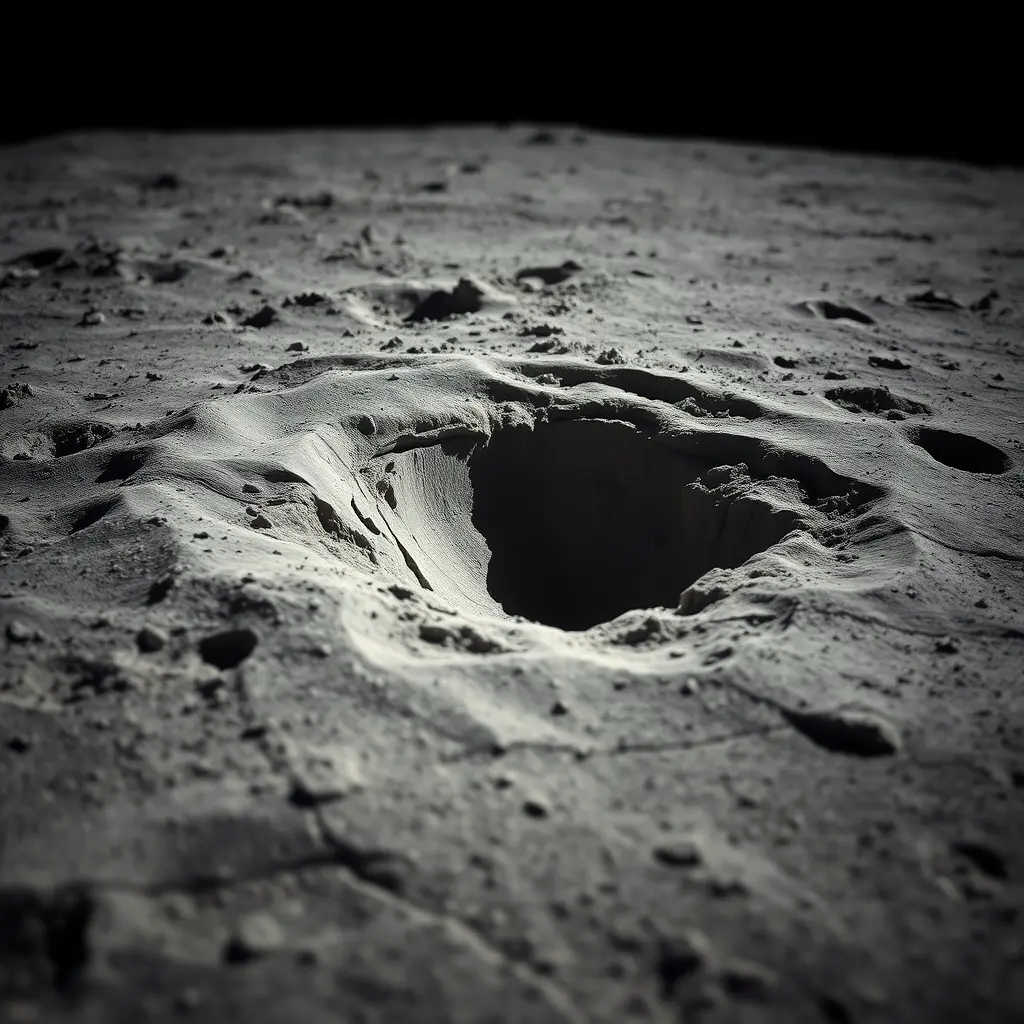
NASA's Lunar Reconnaissance Orbiter (LRO) has captured images showing a distinct crater on the Moon's surface, the result of a SpaceX Falcon 9 rocket's third stage impacting the lunar soil in March 2022. This event marks a significant moment: it is the first time a human-made object has intentionally crashed into the Moon, creating a new, observable impact crater. The images reveal a double-crater formation, suggesting the rocket's debris may have split before impact, a detail not previously anticipated.
The Background: Space Debris and Lunar Exploration
For decades, the Moon has been a silent witness to human space activity, accumulating discarded rocket stages, lander components, and even small probes. However, most of these objects have either burned up in Earth's atmosphere or impacted the Moon without specific scientific observation of the resulting crater. The SpaceX Falcon 9 incident, while unintentional in terms of creating a crater, occurred because the rocket's upper stage was left in a chaotic orbit after a previous mission. This debris, weighing several tons, was on a trajectory that would eventually lead it to the Moon. The LRO, a powerful orbital camera, was tasked with observing this event, providing scientists with a unique opportunity to study the effects of a large, man-made object impacting the lunar surface.
How the Impact Works
The SpaceX Falcon 9 rocket's third stage, after completing its primary mission of deploying a payload, was left in a trajectory that would intersect with the Moon. The impact occurred on March 4, 2022, at a velocity of approximately 5,800 miles per hour (9,300 kilometers per hour). NASA's LRO, which orbits the Moon at an altitude of about 30 miles (50 kilometers), was able to capture high-resolution images of the impact site before and after the event. The images revealed a crater approximately 60 feet (18 meters) in diameter. Intriguingly, the impact appears to have created a double crater, with two overlapping depressions. This suggests that the rocket's upper stage may have broken apart upon atmospheric entry or just before impact, with two significant pieces striking the surface separately. The depth and shape of the crater provide clues about the impact's energy and the composition of the lunar regolith.
Who is Affected and How
For the scientific community, this event is a valuable data point. Astronomers and planetary scientists gain a better understanding of how objects of this size and velocity interact with the lunar surface, contributing to models of crater formation. This knowledge is crucial for future lunar missions, including potential crewed bases. The presence of such debris also raises concerns about the growing problem of space junk and its potential impact on celestial bodies. For the general public, it's a vivid reminder of humanity's increasing presence in space and the physical consequences of our activities beyond Earth. The images offer a tangible, albeit distant, connection to space exploration.
What Happens Next
NASA's LRO will continue to monitor the impact site, observing any changes over time due to lunar weathering and seismic activity. Scientists will analyze the data to refine their understanding of impact dynamics and the lunar environment. The incident also serves as a case study for future space missions, highlighting the need for careful management of orbital debris. As more private companies like SpaceX engage in lunar exploration and commercial activities, protocols for de-orbiting or safely disposing of spent rocket stages will become increasingly important. Future missions might aim to intentionally impact lunar surfaces for scientific study, but this would require careful planning to avoid contaminating scientifically sensitive areas or interfering with existing observations. The long-term implications involve establishing international guidelines for space debris mitigation, particularly for missions beyond Earth orbit.
Share this article
Send the story to readers on social or messengers.
Comments
Loading comments…

New Times Reporter
Editorial coverage from New Times Reporter.