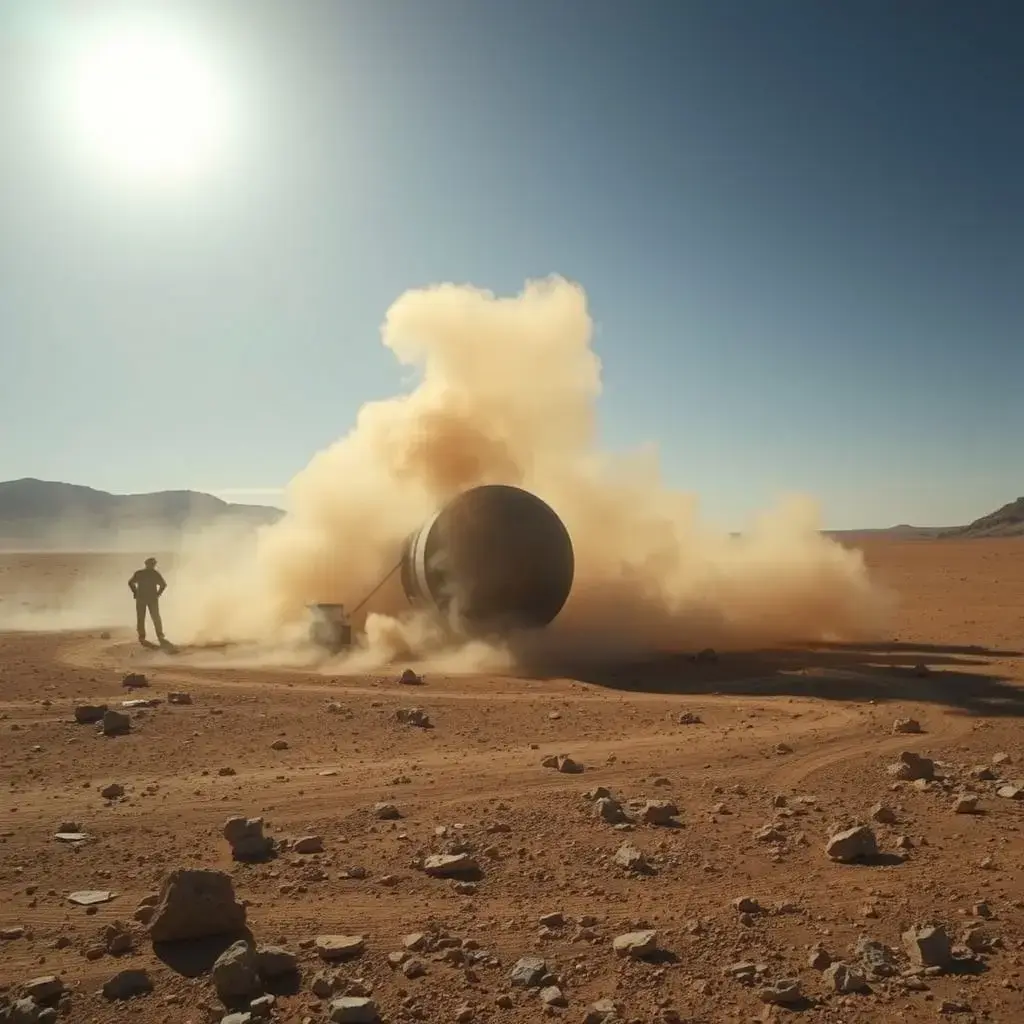
'It slammed into the moon': SpaceX rocket debris spotted on lunar surface
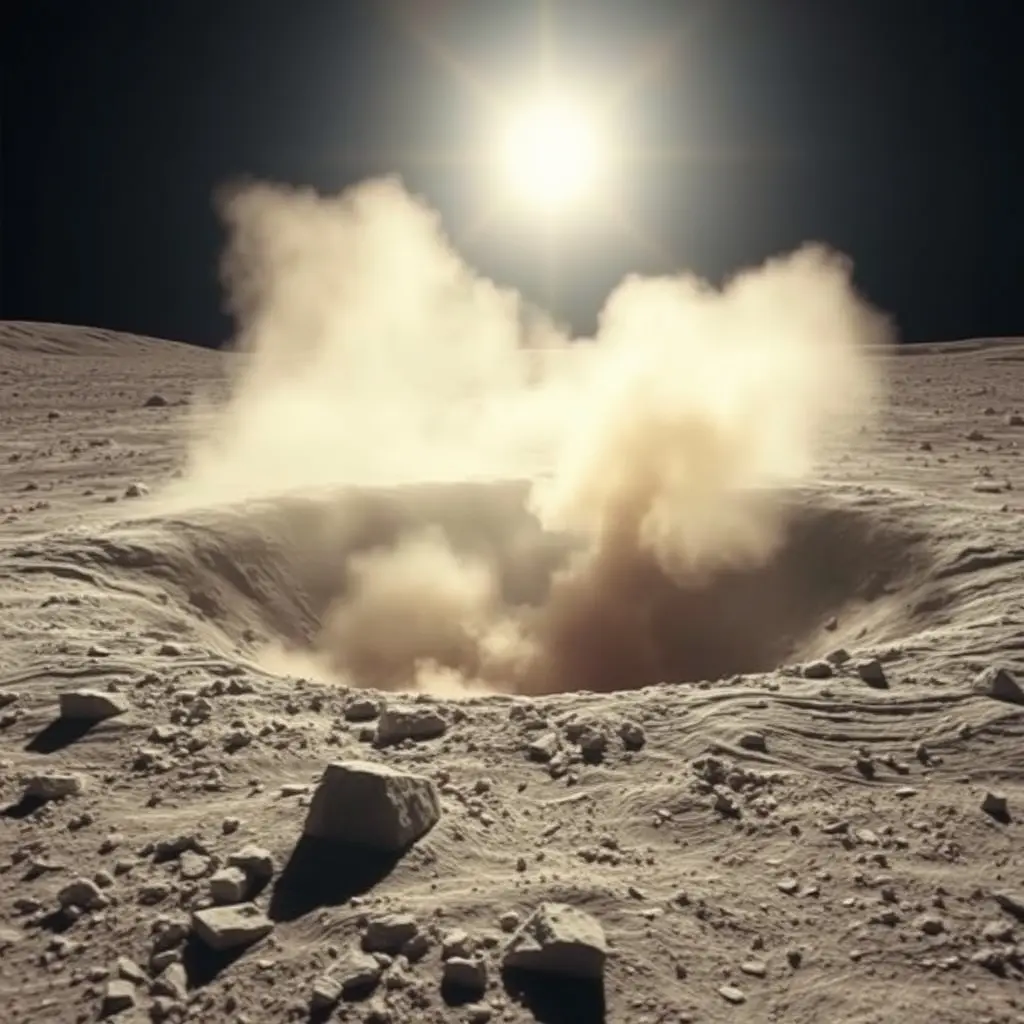
The Background: Space Junk and Lunar Missions
On March 4, 2022, a spent Falcon 9 rocket booster from a SpaceX mission, designated as Falcon 9 R/B, made an unintended impact with the Moon. This object, launched in February 2015 for the Deep Space Climate Observatory (DSCOVR) mission, had been drifting in space for seven years. Its trajectory eventually led it to collide with the lunar surface at an estimated speed of 5,592 miles per hour. This event marked the first time a piece of space junk of this magnitude had intentionally or unintentionally impacted the Moon.
The incident highlights a growing concern within the space community: the proliferation of space debris. As more missions are launched, the risk of collisions, both in Earth orbit and on other celestial bodies, increases. The Falcon 9 booster's uncontrolled journey underscores the challenges of tracking and managing objects that are no longer functional but remain in orbit or on trajectories that could intersect with other spacecraft or celestial bodies.
The Mechanism: From Orbit to Impact
The Falcon 9 rocket booster in question was part of the DSCOVR mission, which aimed to place a satellite in a stable orbit around the Sun-Earth L1 Lagrange point. After its primary mission was completed, the booster was not designed for a controlled re-entry or a specific lunar impact. Instead, it entered a chaotic orbit around Earth.
Over the years, gravitational influences from the Earth, Moon, and Sun gradually altered its trajectory. Eventually, the booster's path brought it into proximity with the Moon. Unlike controlled lunar landings or impacts, this collision was the result of a long, unguided drift. The booster was not equipped with propulsion systems that could be used for a controlled descent or impact.
NASA's Lunar Reconnaissance Orbiter (LRO), a sophisticated spacecraft equipped with high-resolution cameras, was tasked with observing the impact site. The LRO captured before-and-after images of the lunar surface. These images allowed scientists to pinpoint the location of the impact and analyze the resulting crater, providing crucial data on the booster's final moments.
Who is Affected and How
The primary immediate impact is on scientific observation and understanding of lunar geology. The collision created a new crater on the Moon's surface, estimated to be about 65 feet in diameter. The impact also scattered lunar soil, potentially revealing subsurface material. Scientists are studying the images to learn more about the composition of the lunar regolith and the dynamics of impact events.
For the broader space industry, this event serves as a stark reminder of the challenges posed by space debris. While this particular booster was on an uncontrolled trajectory, future missions will need to consider the long-term orbital paths of spent rocket stages. This could lead to stricter regulations or the development of technologies for controlled de-orbiting or disposal of rocket components.
SpaceX, as the manufacturer of the booster, is indirectly affected. While the booster was part of a NASA-affiliated mission, the incident draws attention to the lifecycle of their hardware. This may prompt further internal reviews of mission planning and end-of-life procedures for future launches.
What Happens Next
Scientists will continue to analyze the data collected by the LRO. This includes studying the size and shape of the impact crater, the distribution of ejected material, and any changes in the lunar surface composition. These observations contribute to our understanding of lunar impact processes and the Moon's geological history.
The incident also fuels ongoing discussions about space traffic management and the regulation of space debris. International bodies and space agencies are likely to use this event as a case study to refine guidelines for tracking and mitigating the risks associated with defunct spacecraft and rocket bodies.
For future SpaceX missions, and indeed all space endeavors, there may be increased pressure to implement more robust end-of-life plans for rocket stages. This could involve designing boosters with de-orbiting capabilities or ensuring they are placed in stable disposal orbits that minimize the risk of unintended impacts with celestial bodies.
If regulations become more stringent, it could increase the cost and complexity of space missions. Conversely, proactive management of space debris could prevent more costly accidents and preserve the space environment for future generations of exploration and utilization.
Share this article
Send the story to readers on social or messengers.
Comments
Loading comments…

New Times Reporter
Editorial coverage from New Times Reporter.