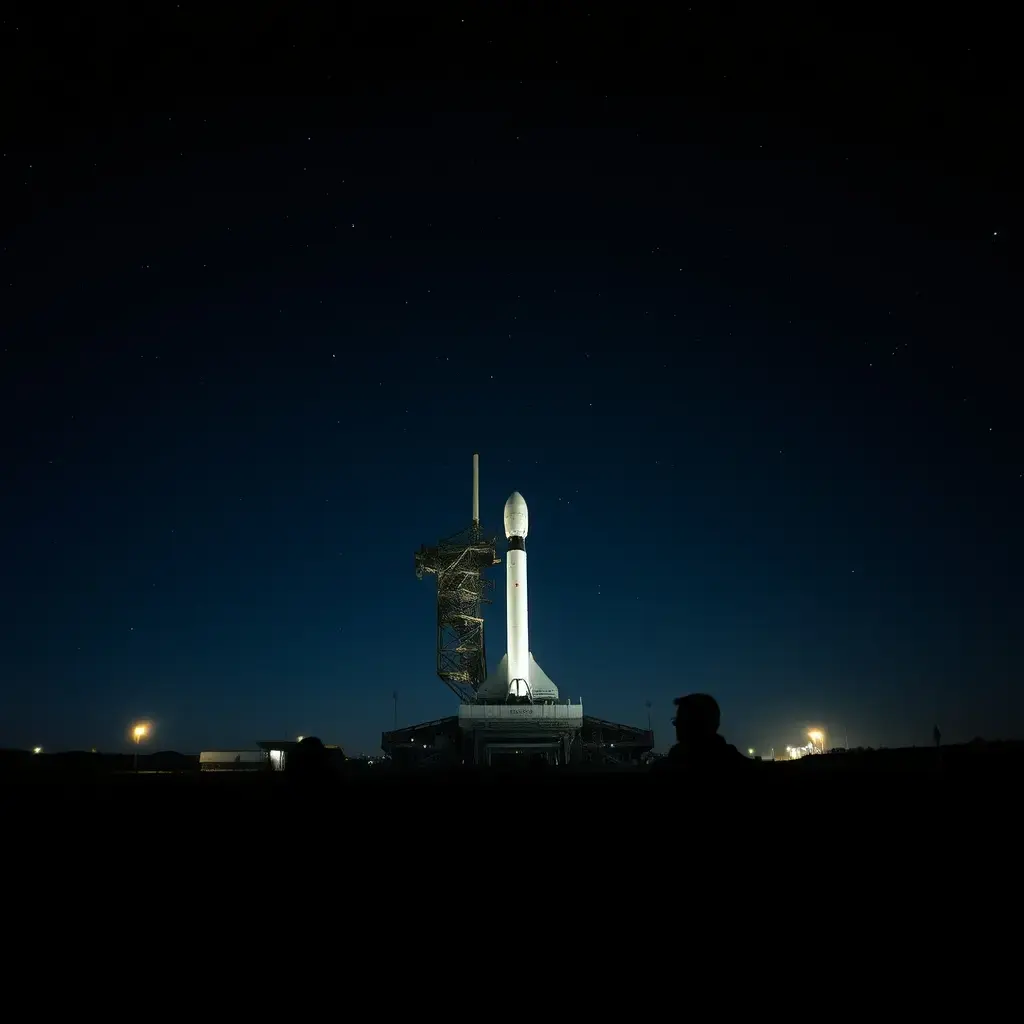
SpaceX rocket chunk hurtles toward lunar impact
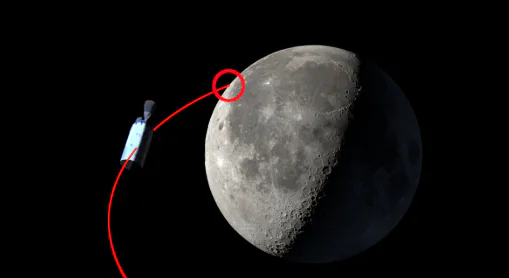
A piece of SpaceX hardware, originally launched in 2015, is on an irreversible trajectory to collide with the Moon. The object, identified as the second stage of a Falcon 9 rocket, is expected to impact the lunar surface on March 4, 2022. This uncontrolled descent marks the first time a piece of space debris of this magnitude is known to be heading for a lunar crash, raising questions about the long-term management of space junk.
The rocket stage, designated as object 2015-007B, was part of the launch of NASA's Deep Space Climate Observatory (DSCOVR) mission. After completing its primary task of propelling the DSCOVR satellite into space, the booster was discarded. It has since been drifting in an unstable orbit around the Earth and the Sun for nearly seven years. Its current path was not predicted until recently, and it is now too late to alter its course.
Astronomers and space agencies are closely monitoring the impending impact. While the collision is not expected to pose a significant threat to the Moon's overall geological stability, it will create a new, small crater. Scientists are particularly interested in observing the aftermath to gather data on the composition of the lunar surface at the impact site. The exact location of the impact is anticipated to be on the far side of the Moon, making direct observation from Earth impossible.
This event highlights the growing challenge of space debris. As more missions are launched and more hardware is discarded, the potential for accidental collisions increases. While most debris orbits Earth, this incident underscores the risk of objects on trajectories that could impact celestial bodies. The lack of a clear international framework for tracking and managing deep space debris is a growing concern among spacefaring nations.
There is some debate regarding the precise identity of the object. While widely attributed to SpaceX's Falcon 9, some researchers have noted that the object's trajectory and orbital characteristics are not perfectly consistent with that specific rocket stage. However, the consensus among most astronomers tracking the object is that it is indeed the booster from the DSCOVR mission.
The impact will occur at a high velocity, estimated to be around 5,500 miles per hour (approximately 8,850 kilometers per hour). The energy released upon impact will create a crater. The size and depth of this crater will depend on the precise angle of impact and the composition of the lunar regolith at the point of collision. Scientists hope to use data from lunar reconnaissance orbiters to analyze the resulting impact site.
This incident is prompting discussions about future space traffic management and the responsible disposal of rocket stages and other spacecraft components. As lunar missions, including potential human landings, become more frequent, ensuring the safety and sustainability of the lunar environment is becoming increasingly important. The uncontrolled crash serves as a stark reminder of the need for proactive solutions to the space debris problem, extending beyond Earth's orbit.
Several organizations, including the Center for Near Earth Object Studies (CNEOS) at NASA's Jet Propulsion Laboratory and Bill Gray's Project Pluto, have been instrumental in tracking the object and predicting its trajectory. Their calculations have provided the scientific community with the most accurate information available regarding the impending lunar impact.
The long-term implications of this event are still being assessed. While a single impact may seem minor, a pattern of such events could potentially alter the lunar surface over time. Furthermore, the debris itself could scatter, creating smaller, secondary impacts. The scientific community is using this as an opportunity to learn more about the Moon and to advocate for better practices in space exploration and debris mitigation.
Share this article
Send the story to readers on social or messengers.
Comments
Loading comments…

New Times Reporter Staff
Compiled and edited by the New Times Reporter newsroom from wire and publisher reporting, with the original source credited on every story.