'The Perseids are the most popular shower': How to see the annual meteor display
The Background: A Celestial Spectacle Every Year
The Perseid meteor shower is an annual event that occurs every August, peaking around August 11-13. It is known for its bright meteors and high rate of activity, often producing 50-100 meteors per hour under ideal conditions. The shower is caused by Earth passing through the debris trail left behind by Comet Swift-Tuttle. As these small particles, often no larger than a grain of sand, enter Earth's atmosphere at high speeds, they burn up, creating the streaks of light we call meteors or "shooting stars."
The Perseids are particularly beloved by stargazers because they occur during the warm summer months in the Northern Hemisphere, making it comfortable to stay outdoors for extended periods. Unlike some other meteor showers, the Perseids are generally not affected by the moon's phase during their peak, as the moon is often new or in a crescent phase, providing dark skies conducive to viewing.
The Mechanism: How Meteors Light Up the Sky
The Perseids originate from the dust and ice particles shed by Comet Swift-Tuttle. This comet, with a nucleus about 16 miles (26 kilometers) wide, orbits the Sun every 133 years. As it travels, it leaves a vast trail of debris along its orbital path. Earth, in its own orbit around the Sun, intersects this debris trail annually in August.
When Earth encounters this stream of particles, they are pulled into our atmosphere by gravity. These particles strike the atmosphere at tremendous speeds, typically around 133,000 miles per hour (214,000 kilometers per hour). The intense friction generated by this rapid entry heats the particles to thousands of degrees Fahrenheit, causing them to vaporize and ionize the air around them. This glowing trail of superheated air and vaporized debris is what we perceive as a meteor.
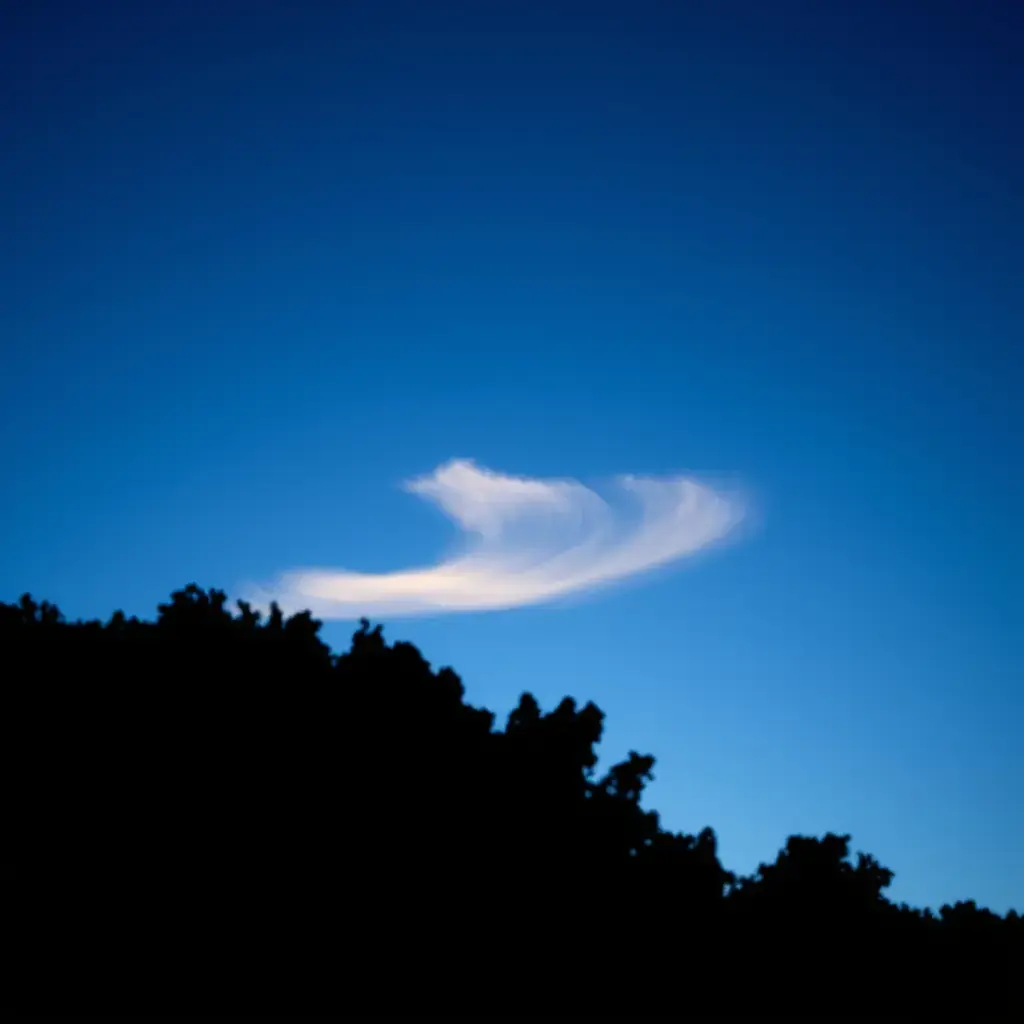
Most of the particles are tiny, ranging from dust grains to small pebbles. Larger particles can create brighter meteors, known as fireballs, and occasionally leave persistent trails that hang in the sky for a few seconds after the meteor has passed. The radiant point for the Perseids is in the constellation Perseus, which is why the shower gets its name. However, meteors can appear anywhere in the sky.
Who is Affected and How, Concretely
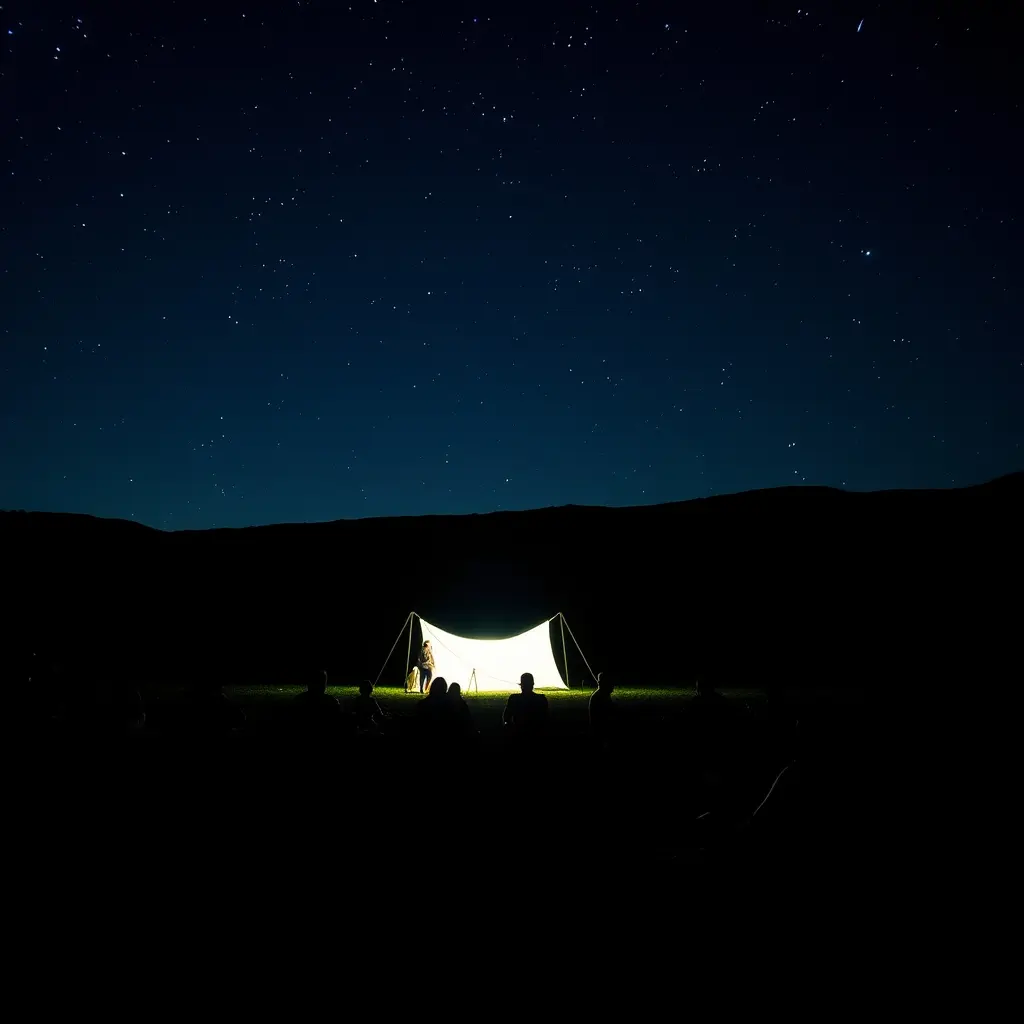
Anyone with a clear view of the night sky can potentially witness the Perseid meteor shower. The primary "users" are amateur astronomers, backyard stargazers, families looking for an outdoor activity, and photographers hoping to capture the spectacle. The experience is entirely free, requiring no special equipment beyond perhaps a comfortable chair and patience.
For those living in urban areas with significant light pollution, the experience might be diminished. Streetlights, building illumination, and other artificial lights can wash out fainter meteors, making them harder to spot. People in these areas may need to travel to darker rural locations to fully appreciate the shower's intensity. The timing of the peak, typically between midnight and dawn, means that viewers need to be awake during these hours. For individuals who are generally asleep during these times, a conscious effort is required to stay up or wake up to observe.
What Happens Next, and What Would Have to Be True
The Perseid meteor shower will continue to be a reliable celestial event for the foreseeable future. Comet Swift-Tuttle last passed through the inner solar system in 1992, and its debris trail remains a significant feature. The shower's intensity is expected to remain relatively consistent year after year, barring any major celestial events that could alter Earth's path through the debris stream or significantly disturb the comet's trail.
For an exceptional viewing experience, several factors would need to align. Firstly, clear skies are paramount; cloud cover will obscure the view. Secondly, a dark location, far from city lights, is crucial for seeing the fainter meteors and appreciating the shower's full potential. The moon phase also plays a role; a new moon or a thin crescent moon provides the darkest skies. In years where the peak of the shower coincides with a bright moon, fewer meteors will be visible.
Future variations in the shower's intensity could occur if Earth were to pass through a denser region of the comet's debris trail. This has happened in the past, leading to "outbursts" with significantly higher rates of meteors. For instance, in 2021, the moon was not a factor, leading to excellent viewing conditions. In 2026, the peak is expected to occur on August 12, with the moon in a waning crescent phase, suggesting good viewing conditions if skies are clear.
Share this article
Send the story to readers on social or messengers.
Comments
Loading comments…

New Times Reporter
Editorial coverage from New Times Reporter.