'Summer's strongest meteor shower': Perseid viewing conditions improve after peak
The Perseids: What You Need to Know
The Perseid meteor shower, an annual celestial event, is known for producing a high number of bright meteors. It occurs each year as the Earth passes through the debris trail left behind by Comet Swift-Tuttle. These tiny particles, often no larger than grains of sand, burn up as they enter Earth's atmosphere at high speeds, creating the streaks of light we see as "shooting stars."
The shower typically runs from late July to late August, with its peak activity usually occurring around August 11-13. While the peak has passed, the Perseids are still active and can be viewed in the nights following the peak, albeit with fewer meteors per hour. The intensity of the shower can vary from year to year, influenced by factors such as the moon phase and the density of the comet's debris trail.
How the Perseid Meteor Shower Works
The Perseids are caused by Comet 109P/Swift-Tuttle, a large comet that orbits the Sun every 133 years. As it travels, it leaves a trail of dust and ice particles in its wake. When Earth, in its orbit around the Sun, passes through this stream of debris, these particles enter our atmosphere at extremely high velocities – around 133,000 miles per hour (214,000 kilometers per hour).
This rapid entry generates intense friction, causing the particles to heat up and vaporize. This process creates the bright streaks of light, or meteors, that observers witness. The radiant point for the Perseids is in the constellation Perseus, which is why the shower is named after it. While the meteors can appear anywhere in the sky, they seem to originate from this specific area.
Who is Affected and How
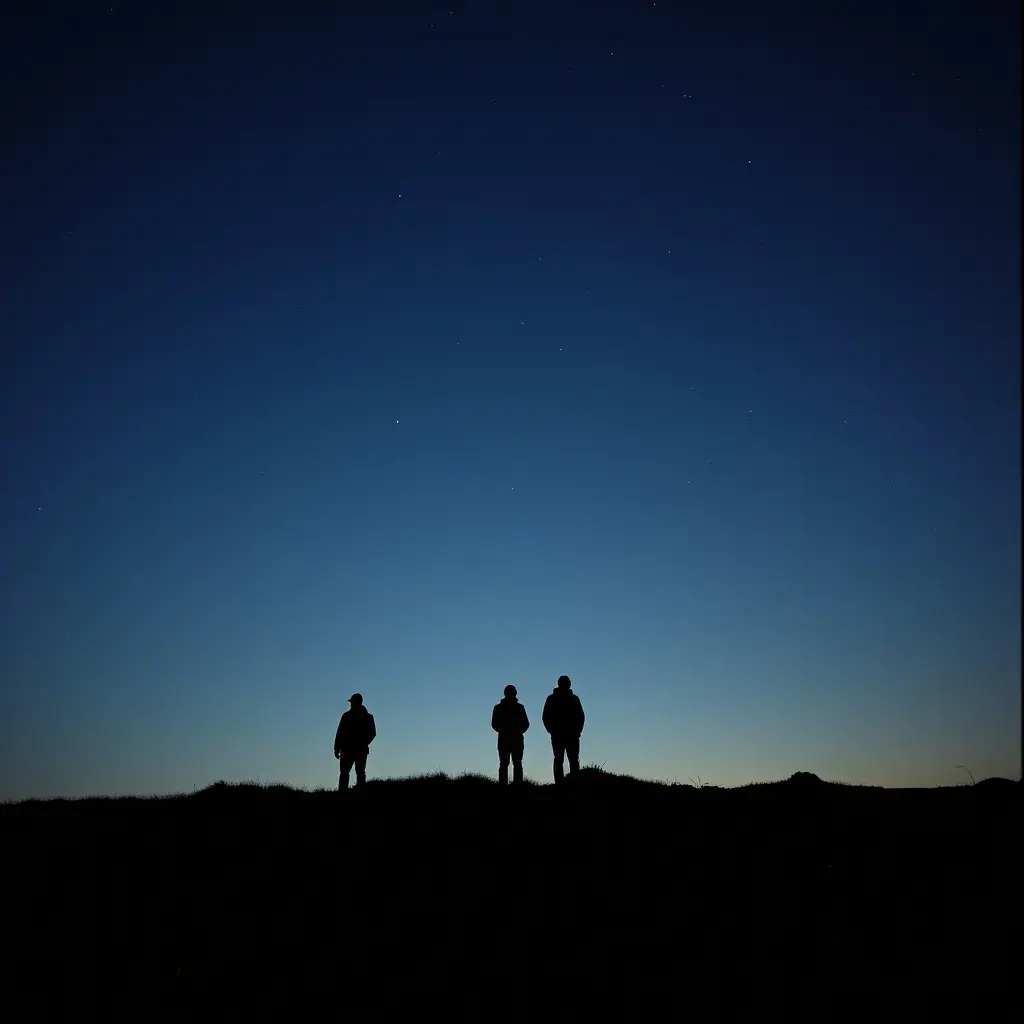
Anyone with a clear view of the night sky can potentially see the Perseid meteor shower. The primary factor influencing visibility is light pollution. Areas with dark skies, far from city lights, offer the best viewing opportunities. The phase of the moon also plays a significant role; a bright moon can wash out fainter meteors, making them harder to spot.
For those hoping to catch a glimpse, the conditions in the days following the peak can still be favorable. With the moon setting earlier or being less illuminated after the peak, there may be darker skies available for viewing. This can allow for a more rewarding experience, even if the number of visible meteors per hour is reduced compared to the absolute peak.
What Happens Next
While the peak of the Perseid meteor shower occurred around August 11-13, the shower remains active until approximately August 24. This means that opportunities to view meteors will continue for about another week. The number of meteors visible per hour will gradually decrease as Earth moves further away from the densest part of Comet Swift-Tuttle's debris trail.
For optimal viewing in the coming nights, look for skies that are as dark as possible, away from urban light pollution. Allowing your eyes to adjust to the darkness for at least 20-30 minutes will significantly improve your ability to see fainter meteors. Patience is key, as meteors can appear sporadically. Some years, the Perseids can produce fireballs, which are exceptionally bright meteors, even after the peak.
Share this article
Send the story to readers on social or messengers.
Comments
Loading comments…

New Times Reporter
Editorial coverage from New Times Reporter.