What is SpaceX's Starfall saucer and why did it launch again?
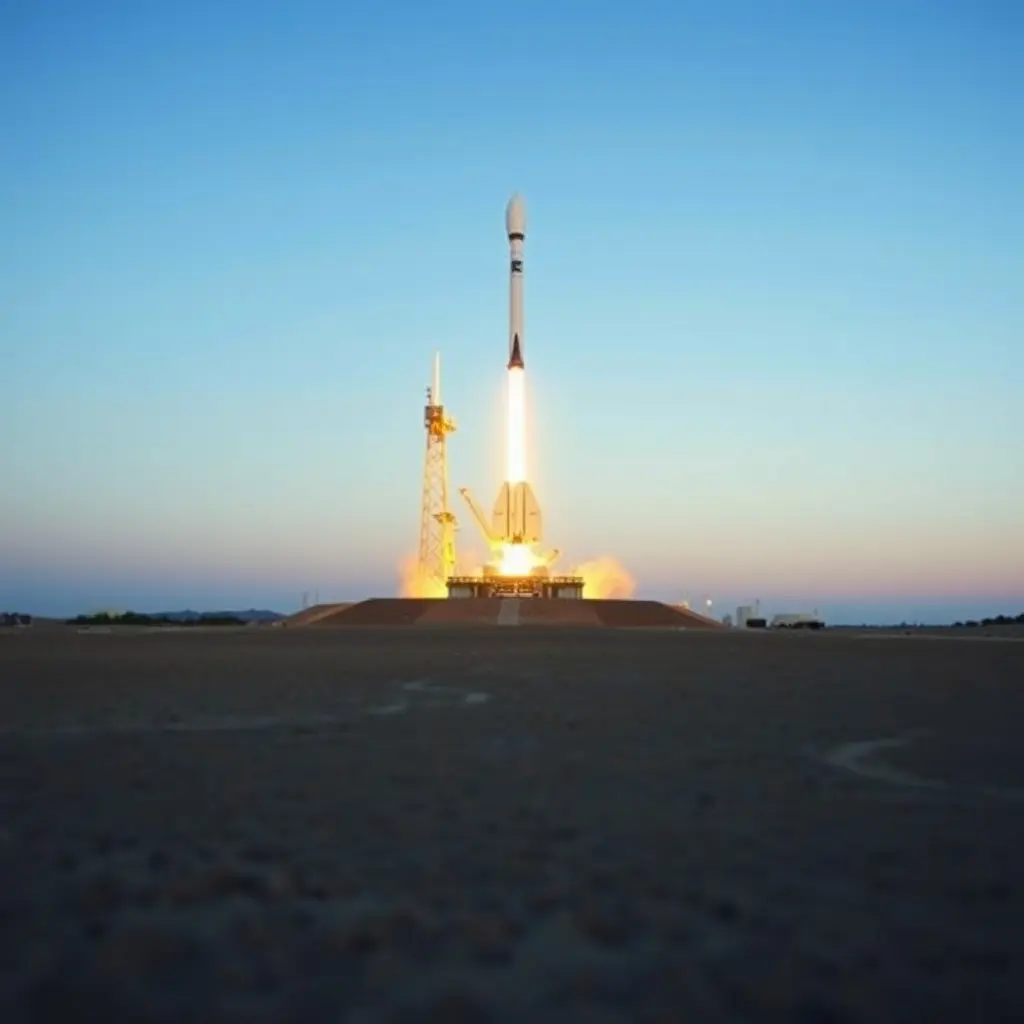
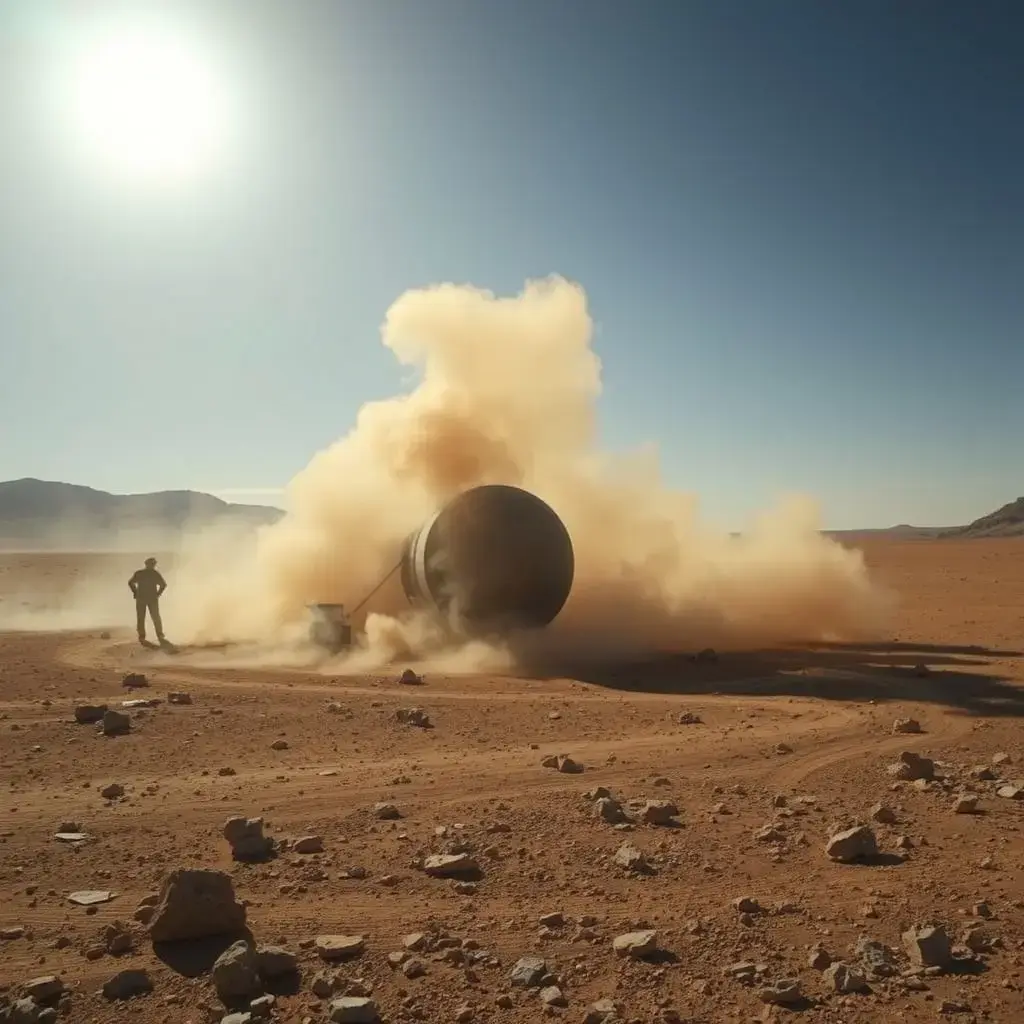
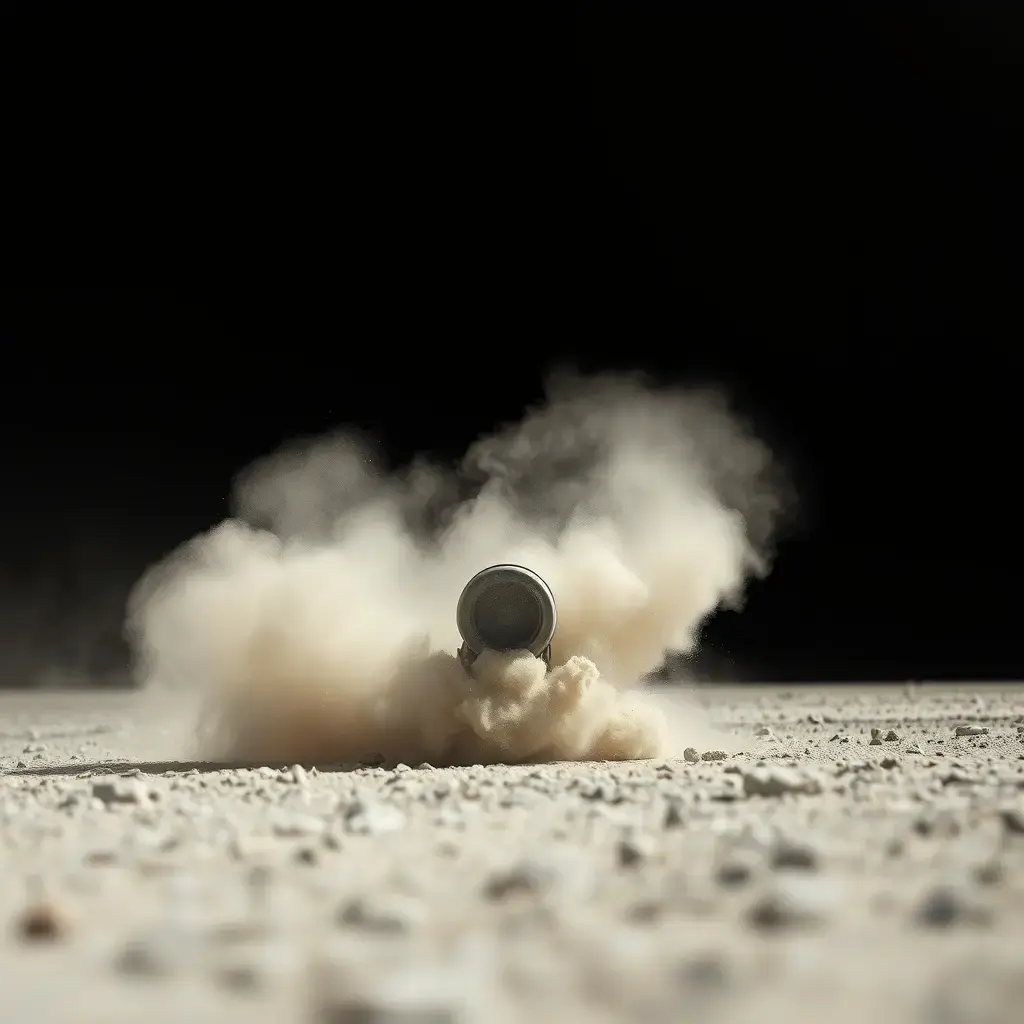
SpaceX has once again launched its Starfall reentry capsule, a secretive project designed to test advanced landing technologies. The capsule, often described visually as a "space jellyfish" due to its appearance during descent, was carried aloft on the Bandwagon-5 rideshare mission from Cape Canaveral, Florida. This launch marks another step in SpaceX's ongoing efforts to develop more robust and reusable spacecraft, potentially impacting future space exploration and commercial satellite deployment.
The Starfall capsule is a key component of SpaceX's research into controlled atmospheric reentry and landing. Unlike traditional capsules that rely on parachutes, Starfall aims to use a combination of aerodynamic braking and propulsive maneuvers to achieve a soft landing. This technology is crucial for enabling rapid reuse of spacecraft, reducing the cost of space access. The capsule's unique shape and deployment sequence are part of the experiments to manage the extreme heat and forces experienced during reentry. The successful testing of these systems could pave the way for more frequent and less expensive launches, benefiting both government and commercial space endeavors.
The Background: Reusable Spacecraft and Advanced Landing
SpaceX's overarching goal has always been to drastically reduce the cost of space travel through reusability. This ambition began with the Falcon 9 rocket's first-stage boosters, which have been repeatedly landed vertically since December 2015. The Starfall project represents an extension of this reusability concept to crewed or cargo spacecraft, which face far more complex reentry challenges. The need for such technology is amplified by the growing commercial space industry, which requires frequent and cost-effective delivery of payloads, such as satellites, to orbit. The development of Starfall is part of a long-term strategy that could eventually lead to fully reusable interplanetary vehicles, a concept central to SpaceX's vision for Mars colonization.
The Mechanism: How Starfall Tests Reentry and Landing
While specific details of Starfall's operation remain proprietary, its testing involves several critical phases. The capsule is deployed into the atmosphere after reaching a certain altitude or orbital trajectory. As it descends, it experiences intense aerodynamic forces and heat. The experiments focus on how the capsule's shape and potentially deployable surfaces interact with the atmosphere to slow its descent and control its orientation. Crucially, Starfall is designed to test a propulsive landing system, which would involve firing engines to decelerate and softly touch down, rather than relying solely on parachutes. This method, if perfected, would allow the capsule to be recovered and reused quickly, minimizing downtime and refurbishment costs. The visual phenomenon of a "space jellyfish" is likely related to the deployment of experimental aerodynamic surfaces or the early stages of atmospheric interaction.
Who is Affected and How: Satellite Operators and Future Astronauts
The primary beneficiaries of Starfall's success are satellite operators who rely on rideshare missions like Bandwagon-5. More efficient and reusable reentry systems mean lower launch costs, making space access more affordable for deploying constellations of small satellites for communication, Earth observation, and scientific research. For future astronauts, the development of advanced landing technologies could lead to safer and more frequent crewed missions. If Starfall's principles are applied to crew capsules, it could enable rapid turnaround times between missions, similar to how commercial aircraft operate. This increased accessibility to space could spur innovation across various sectors, from telecommunications to climate monitoring.
What Happens Next: Iteration and Future Applications
Following each test launch, SpaceX will analyze the data collected from Starfall's reentry and landing attempts. This data will inform design modifications and improvements for subsequent tests. The ultimate goal is to integrate these advanced reentry and landing capabilities into future SpaceX vehicles, potentially including Starship or a dedicated cargo/crew capsule. The success of Starfall hinges on demonstrating consistent, controlled landings and proving the economic viability of rapid reuse. If these milestones are met, it could significantly accelerate the pace of space commercialization and human space exploration, making ambitious projects like lunar bases or Mars settlements more feasible within the coming decades. The continued testing of Starfall is a quiet but crucial part of SpaceX's long-term roadmap.
Share this article
Send the story to readers on social or messengers.
Comments
Loading comments…

New Times Reporter
Editorial coverage from New Times Reporter.