Why did Capital One close Trump Organization accounts?
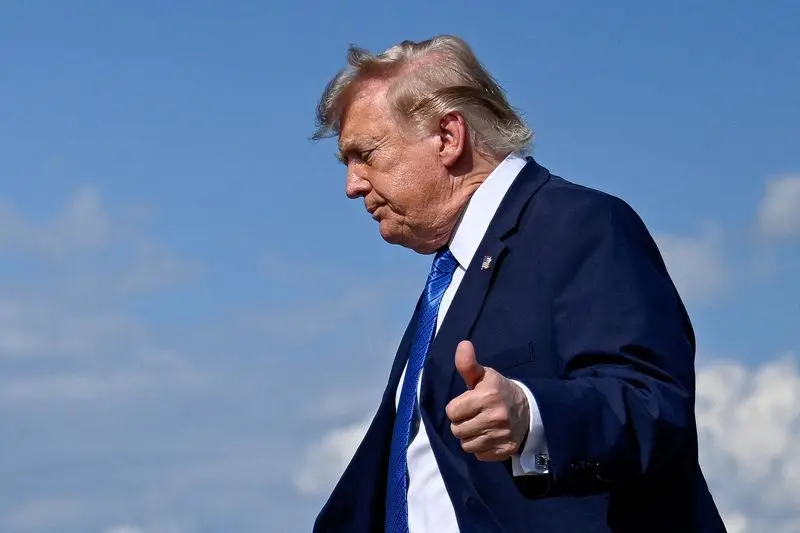
Capital One Financial has stated that its decision to close the Trump Organization's bank accounts in March 2021 was the result of a thorough review by anti-money laundering (AML) experts. This marks the first time a bank has publicly linked money laundering concerns to the former president's business. The bank is seeking to dismiss a lawsuit filed by the Trump Organization, which alleges the accounts were closed due to political bias, not financial irregularities.
Capital One maintains that the closures were not politically motivated but stemmed from "transaction patterns identified by Capital One" that are consistent with activities flagged by federal banking guidance. The bank provided notice of its intent to close over 300 Trump-affiliated accounts, initiating a legal battle where the Trump Organization accused Capital One of "woke" beliefs and seeking to benefit from the political climate following the January 6, 2021 Capitol riot.
The Background: Debanking and Financial Scrutiny
The dispute between Capital One and the Trump Organization is part of a broader tension surrounding financial institutions' practices and political pressures. Since the start of Donald Trump's second term, his administration has voiced concerns about large banks allegedly targeting conservative customers, leading to an executive order in August 2025 aimed at preventing discriminatory debanking. This environment has seen other legal challenges, including a lawsuit filed by Trump against JPMorgan Chase in January 2026 on similar grounds.
This situation also echoes past scrutiny of financial institutions' handling of suspicious transactions. In 2019, during Trump's first term, he sued Capital One and Deutsche Bank to block the sharing of financial records with Congress. Reports at the time suggested that Deutsche Bank's AML professionals had flagged certain transactions, though the bank's executives reportedly did not act on them. Deutsche Bank denied these reports.
The Mechanism: Anti-Money Laundering Reviews
Banks are legally obligated to implement robust anti-money laundering (AML) programs to prevent financial crimes. These programs involve monitoring customer transactions for suspicious activity that could indicate money laundering, terrorist financing, or other illicit activities. When such activity is detected, banks typically conduct internal reviews, often involving specialized AML teams.
These reviews assess the nature and volume of transactions against established risk profiles and regulatory guidelines. Factors that can trigger scrutiny include unusually large or frequent transactions, dealings with high-risk jurisdictions, or patterns inconsistent with a customer's stated business. If the review concludes that continued business poses an unacceptable risk of facilitating financial crime, the bank may decide to terminate the relationship. This process is designed to protect the bank from regulatory penalties and reputational damage, and to comply with its obligations under laws like the Bank Secrecy Act.
Capital One's filing asserts that its decision was the outcome of "months of analysis and a careful review by Capital One's AML team in accordance with bank policies and regulatory guidance." The bank argues that the Trump Organization's allegations of political pretext are unfounded and misinterpret the evidence presented to the court.
Who is Affected and How
The primary parties directly affected are the Trump Organization and Capital One. For the Trump Organization, the closure of accounts signifies a loss of banking services, potentially impacting its ability to conduct day-to-day financial operations, manage payroll, and process payments. This can create operational hurdles and necessitate establishing new banking relationships, which may come with different terms or stricter scrutiny.
For Capital One, the lawsuit represents a significant legal and reputational challenge. The bank faces the prospect of protracted litigation and public scrutiny over its practices. By publicly stating its AML rationale, Capital One aims to defend its actions and demonstrate compliance with regulatory requirements, potentially deterring future similar lawsuits. The outcome could also influence how other banks approach account closures for clients facing scrutiny, potentially leading to more cautious or more assertive policies.
More broadly, the case touches upon the experiences of businesses and individuals who have had their banking services terminated, a phenomenon known as "debanking." While Capital One asserts legitimate AML reasons, the Trump Organization's claims highlight concerns that such decisions could be influenced by political or social considerations, particularly for high-profile entities or individuals. This raises questions about transparency and fairness in the banking sector.
What Happens Next
The immediate next step is the ongoing legal process in the Florida federal court. Capital One is seeking to have the Trump Organization's lawsuit dismissed. The court has already dismissed two previous complaints, giving the plaintiffs opportunities to amend their filings. Capital One's latest filing argues that the current amended complaint still suffers from "fundamental flaws."
If the court grants Capital One's motion to dismiss, the lawsuit would be thrown out, effectively ending the legal challenge from the Trump Organization on this matter. This would validate Capital One's stated reasons for closing the accounts and could set a precedent for how banks defend against similar "debanking" claims.
Alternatively, if the court denies the motion to dismiss, the case would proceed to further stages of litigation, potentially including discovery and a trial. This would mean more evidence would be presented, and the court would further examine the specifics of Capital One's AML review and the Trump Organization's allegations of political bias. The outcome of such a trial could have significant implications for both parties and for the broader debate on debanking and financial regulation.
Share this article
Send the story to readers on social or messengers.
Comments
Loading comments…

New Times Reporter
Editorial coverage from New Times Reporter.