Why is the Harvest Moon in September 2026 special?
The Harvest Moon Explained
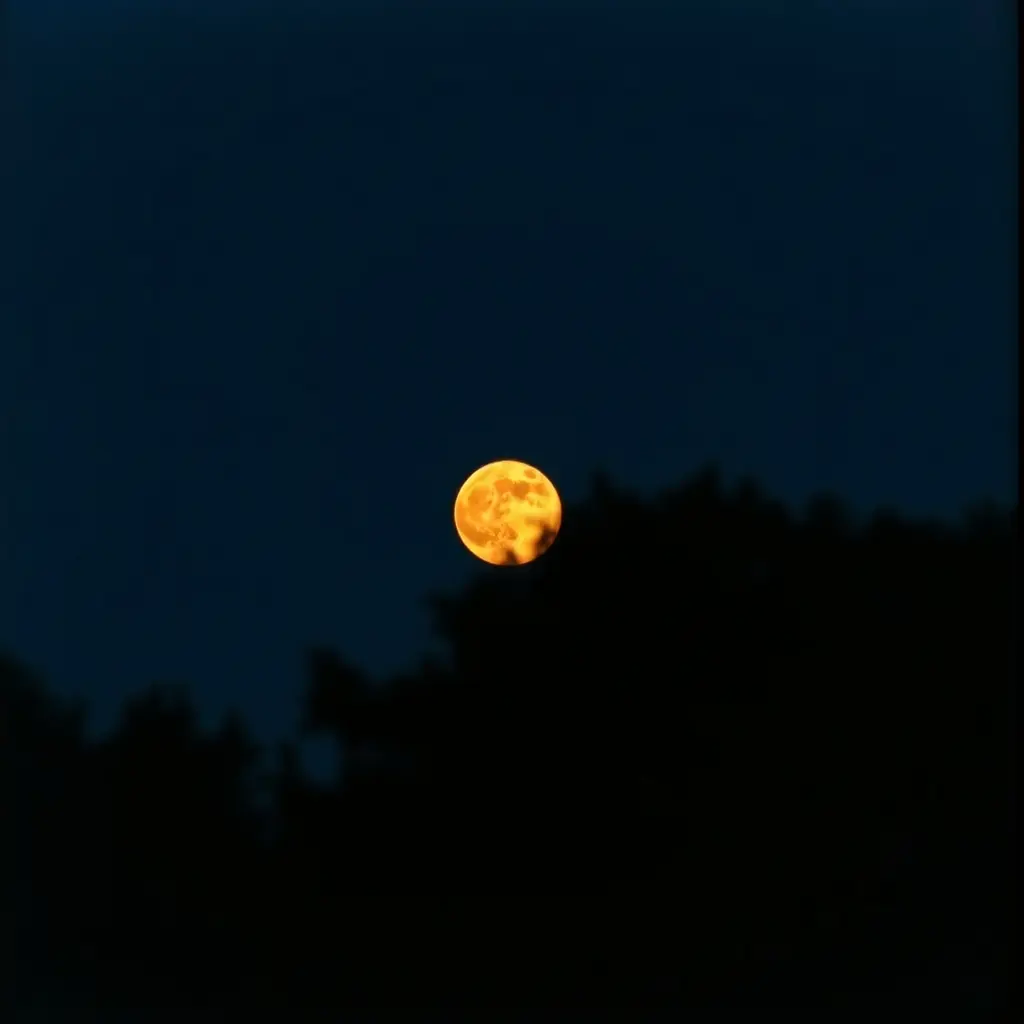
The Harvest Moon is the full moon that occurs closest to the autumnal equinox, which marks the official end of summer and the beginning of autumn in the Northern Hemisphere. In 2026, this will be the full moon on the night of September 1st. Unlike other full moons, the Harvest Moon appears to rise at a similar time each night for several evenings around its peak illumination. This phenomenon is due to the moon's orbital path being at its shallowest angle to the horizon during this time of year.
This particular full moon is traditionally associated with the harvest season, as its brighter, earlier rising allowed farmers to work longer into the night to gather their crops. The name "Harvest Moon" has been used for centuries to describe this celestial event, symbolizing the transition from the abundance of summer to the leaner months of autumn.
How the Harvest Moon Works
The moon orbits the Earth approximately every 29.5 days, and its position relative to the sun and Earth dictates the phase we observe. The autumnal equinox typically falls around September 22nd or 23rd. The Harvest Moon is simply the full moon that occurs nearest to this date. In 2026, the full moon falls on September 1st, making it the Harvest Moon.
The key characteristic of the Harvest Moon, and indeed any full moon near the autumnal equinox, is its apparent rising time. As the moon orbits Earth, its path across the sky changes. Near the autumnal equinox, the moon's orbital path is at a shallower angle to the horizon. This means that as the moon waxes towards full, it rises only slightly later each successive evening. For several nights around the full moon, it appears to rise around sunset, providing extended periods of moonlight after dusk.
This effect is most pronounced for the Harvest Moon because the ecliptic (the sun's apparent path across the sky) is at its lowest point in the sky for the year in the Northern Hemisphere during autumn. The moon, following a similar path, also appears lower, and its rising time is less affected by the Earth's rotation. This results in the moon rising only about 20-30 minutes later each night, compared to the usual 50-minute delay for other full moons.
Who is Affected and How
For amateur astronomers and skywatchers, the Harvest Moon of September 2026 offers a prime opportunity to observe the moon in detail. Its consistent rising time makes it easier to plan viewing sessions. Beyond the moon itself, the period around the autumnal equinox often presents other celestial highlights. In September 2026, Venus is also expected to be at its brightest, potentially visible alongside the moon.
While the direct impact on daily life is minimal, the Harvest Moon has historical and cultural significance. It marks a tangible shift in seasons, from the long days of summer to the shorter, cooler days of autumn. For those involved in agriculture, even in modern times, the concept of the Harvest Moon is a reminder of the cyclical nature of farming and the reliance on natural light for past activities. It also serves as a point of reference for seasonal festivals and traditions that have been tied to lunar cycles for millennia.
What Happens Next
Following the September 1st full moon, the moon will begin to wane. The next full moon, known as the Hunter's Moon, will occur in October 2026. The Hunter's Moon is the full moon closest to the autumnal equinox, but since the September full moon is closer, the October full moon is the Hunter's Moon. This moon is named for the season when hunters would track and prepare for the coming winter.
In the longer term, the cycle of full moons and their relationship to the equinoxes and solstices will continue. Each year, the Harvest Moon will fall on a different date, depending on the precise timing of the full moon relative to the autumnal equinox. The astronomical phenomenon of the moon rising at similar times for several consecutive nights will persist, though its prominence will vary slightly with each year's specific lunar cycle and Earth's axial tilt.
For those interested in stargazing, the coming months after September 2026 will offer further opportunities. The Andromeda Galaxy will be well-positioned for viewing, and other planets will become more or less visible depending on their orbital positions. The consistency of celestial events provides a reliable backdrop for continued observation and learning about the cosmos.
Share this article
Send the story to readers on social or messengers.
Comments
Loading comments…

New Times Reporter
Editorial coverage from New Times Reporter.