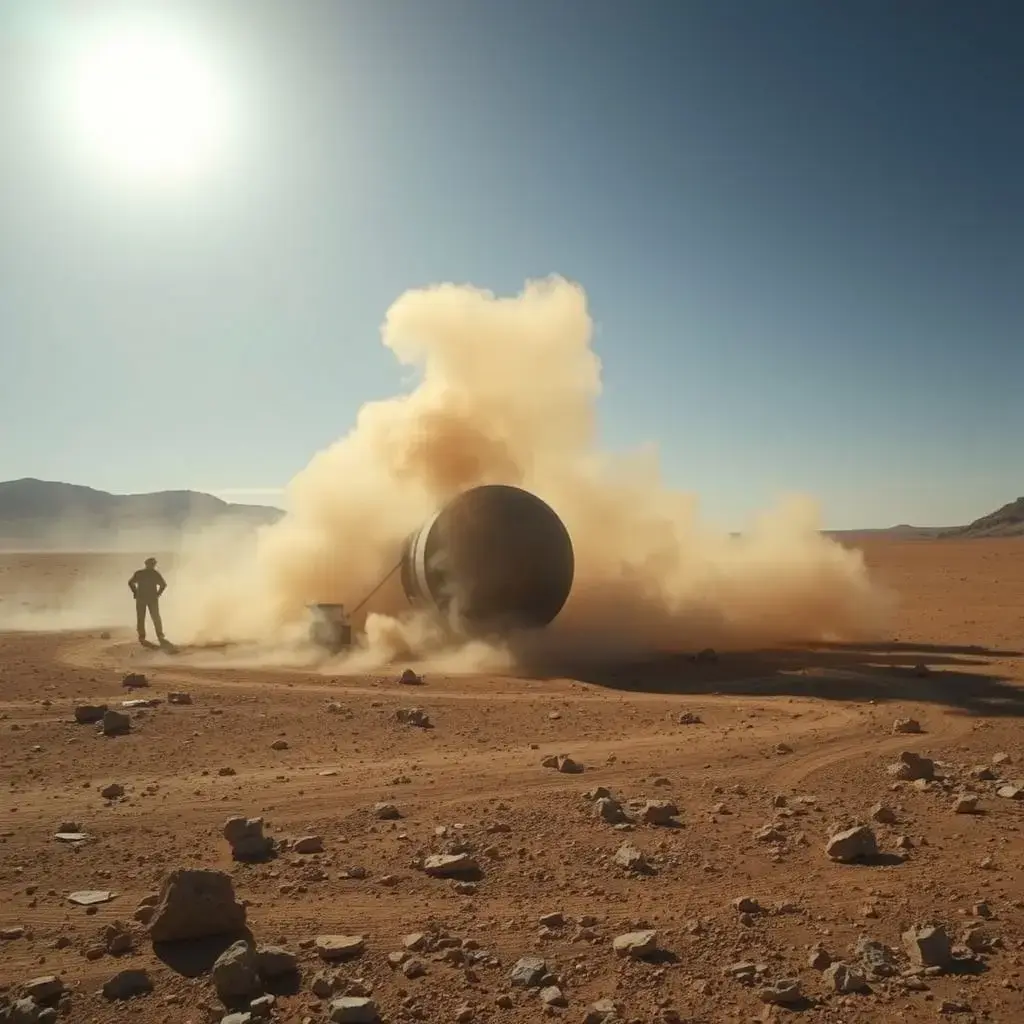
'A rocket crashed into the moon': New images reveal lunar impact site
The Background: Space Debris on the Moon
For decades, the moon has served as a silent graveyard for spent rocket stages, discarded spacecraft, and even astronaut equipment. These objects, remnants of past space missions, have accumulated on its surface. The recent impact of a SpaceX Falcon 9 upper stage, identified by NASA's Lunar Reconnaissance Orbiter (LRO), is not the first instance of a human-made object crashing onto the lunar surface. However, it marks a significant moment as it's the first time a rocket intended for a lunar mission has impacted the moon.
This event highlights a growing concern in the space community: the increasing amount of space debris. While much of this debris orbits Earth, objects launched on trajectories that pass Earth or head to other celestial bodies, like the moon, can also become a hazard. The Falcon 9 upper stage that impacted the moon in March 2022 was part of the Deep Space Climate Observatory (DSCOVR) mission, launched in 2014. It had been in a chaotic orbit around Earth for years before its trajectory eventually took it towards the moon.
The Mechanism: How a Rocket Creates a Crater
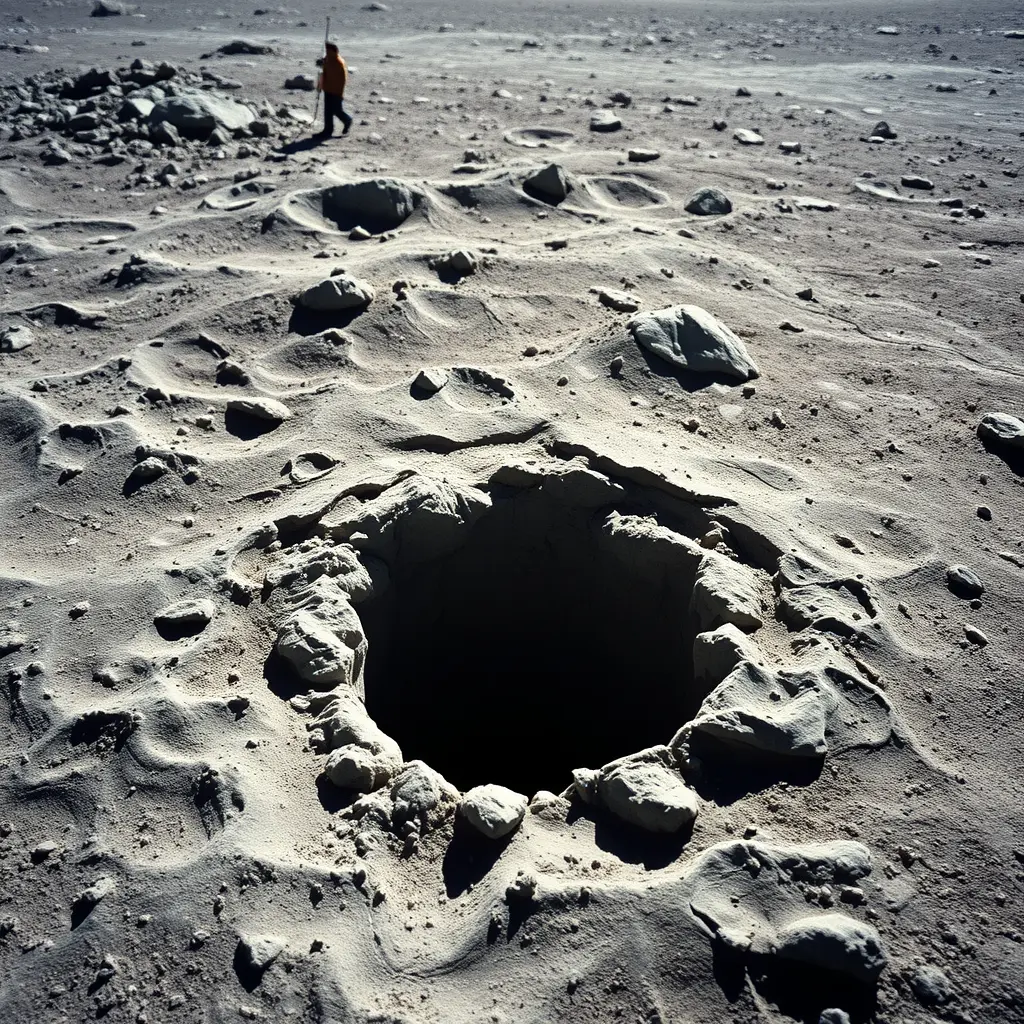
The impact of the SpaceX Falcon 9 upper stage created a crater on the moon's surface, as confirmed by NASA's LRO. The upper stage, weighing several tons, struck the moon at a high velocity. Upon impact, the kinetic energy of the rocket was converted into heat and shockwaves, excavating lunar regolith (soil and rock) and forming a crater. The size and shape of the crater are influenced by the mass and speed of the impacting object, as well as the composition of the lunar surface.
NASA's LRO captured before-and-after images of the impact site. The "before" images showed the area as it was prior to the impact, while the "after" images revealed the newly formed crater. The LRO team observed that the impact resulted in two distinct craters: a primary crater approximately 18 meters (59 feet) in diameter and a secondary crater, likely caused by the tumbling of the rocket body, about 16 meters (52 feet) in diameter. The impact also ejected material, creating a plume that extended for some distance.
Who is Affected and How, Concretely
While this particular impact was deemed relatively harmless due to its location and the nature of the object, it raises broader implications for future lunar activities. The primary stakeholders affected are space agencies, private space companies, and scientists involved in lunar exploration and research. The creation of craters, even from relatively small objects, can alter the lunar landscape and potentially damage sensitive scientific instruments or historical sites if future impacts occur in unintended locations.
For scientists, the event provides valuable data. The LRO's observations help in understanding the mechanics of impacts on the lunar surface, which is crucial for planning future missions and assessing potential hazards. For companies like SpaceX, it underscores the importance of accounting for the long-term trajectory of spent rocket stages, especially those on missions that don't involve direct recovery or controlled de-orbiting. The increasing number of private missions to the moon means that the risk of accidental impacts from discarded hardware will likely grow.
What Happens Next, and What Would Have to Be True
The incident serves as a wake-up call for stricter protocols regarding space debris management, particularly for missions venturing beyond Earth's orbit. International bodies and spacefaring nations will likely face increased pressure to develop and enforce guidelines for tracking and mitigating the risks posed by defunct spacecraft and rocket stages.
For future impacts to be avoided, several things would have to be true. First, there needs to be a greater commitment from all space actors to track objects in deep space. Second, technological solutions for controlled de-orbiting or safe disposal of rocket stages after their mission is complete will need to be developed and implemented. Third, international agreements and regulations may need to be established to govern the responsible use of the moon and other celestial bodies, ensuring that they are not inadvertently turned into junkyards. Without these measures, the moon, and potentially other celestial bodies, could become increasingly cluttered with hazardous debris.
Share this article
Send the story to readers on social or messengers.
Comments
Loading comments…

New Times Reporter
Editorial coverage from New Times Reporter.