How does SpaceX's Falcon 9 rocket booster return?
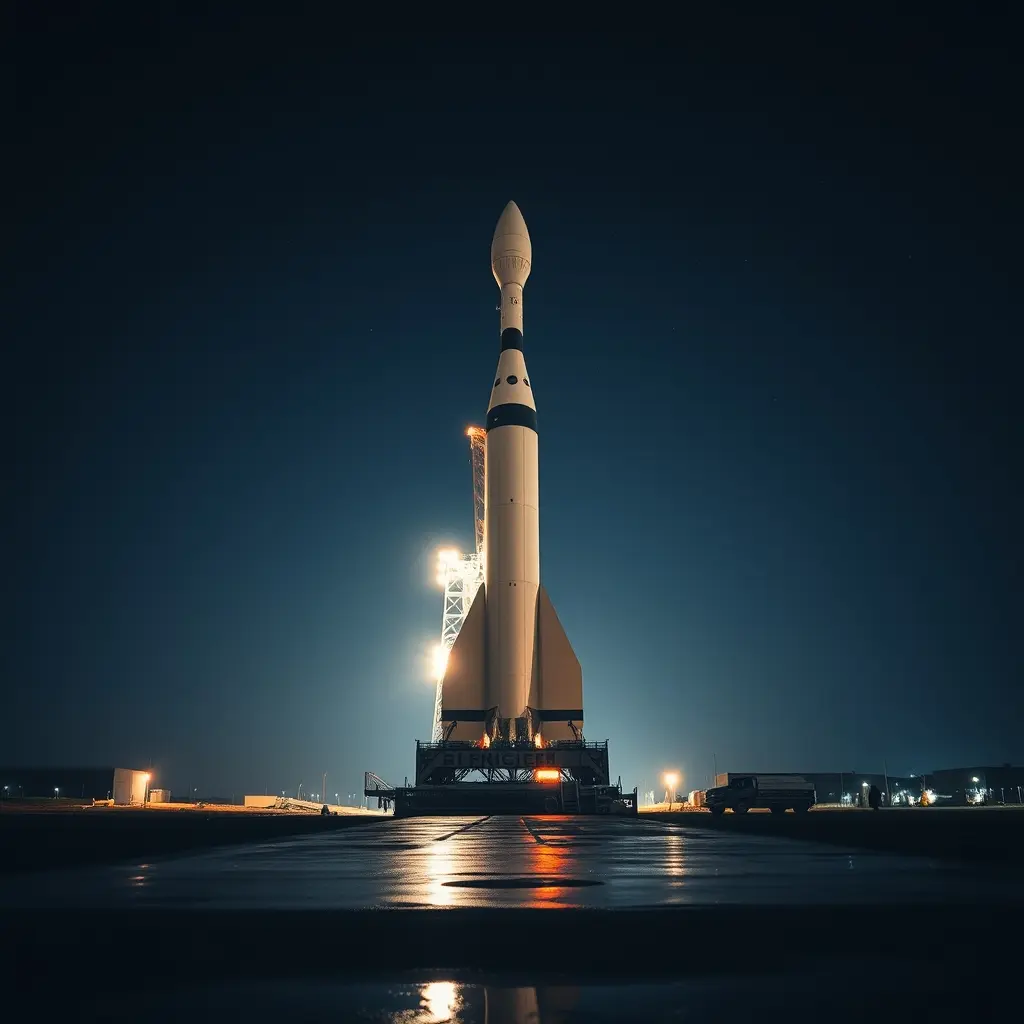
SpaceX's Falcon 9 rocket booster successfully returned to Earth on September 8, 2026, after launching NASA's Nancy Grace Roman Space Telescope. This routine recovery is a critical part of SpaceX's strategy to reduce the cost of space access.
The Booster's Return Journey
The Falcon 9 rocket is a two-stage vehicle. The first stage, the booster, is responsible for lifting the rocket off the launchpad and accelerating it to high speeds. Once it has expended its fuel, the first stage separates from the second stage, which continues to carry the payload (in this case, the Roman Telescope) into orbit.
Immediately after separation, the first stage performs a series of maneuvers to orient itself for re-entry. It reignites its engines for a "boostback burn" to alter its trajectory and head back towards the launch site or a designated landing zone. This is followed by a "re-entry burn" to slow the booster down as it enters the denser parts of Earth's atmosphere.
As the booster descends, its nine Merlin engines are reignited for a "landing burn" to further decelerate. Simultaneously, four grid fins, which are movable aerodynamic surfaces, deploy to help steer the booster and maintain stability during its descent. Finally, the booster lands vertically, either on a SpaceX drone ship positioned at sea or back at the launch site.
Why Booster Recovery Matters
The primary driver behind SpaceX's booster recovery program is cost reduction. Reusable rocket components significantly lower the expense of launching payloads into space. Instead of building a new first stage for every mission, SpaceX can refurbish and reuse these expensive components.
This reusability is foundational to SpaceX's business model and its ambition to make spaceflight more accessible. The success of booster recovery directly impacts the company's ability to offer competitive launch prices and to undertake ambitious projects like the Starlink satellite constellation and future missions to Mars.
Who is Affected and How
For NASA and other commercial satellite operators, the successful recovery and reuse of Falcon 9 boosters translate into lower launch costs. This can make space missions, including scientific endeavors like the Roman Telescope, more affordable and feasible. The Roman Space Telescope itself, designed to study dark energy and exoplanets, benefits from this cost-efficiency, allowing NASA to allocate more resources to its scientific objectives.
For the aerospace industry, SpaceX's success in reusable rocketry has spurred innovation and competition. Other launch providers are now investing in their own reusable technologies. For the public, this could eventually lead to more affordable access to space, potentially enabling new applications in areas like satellite internet, Earth observation, and even space tourism.
What Happens Next
SpaceX will continue to refine its booster recovery and refurbishment processes. The company aims to increase the flight rate of its Falcon 9 rockets, which requires rapid turnaround of boosters. Future missions will likely see continued use of recovered boosters, with ongoing efforts to improve reliability and reduce refurbishment time.
The success of this recovery is a step towards SpaceX's long-term goals, including the development of its Starship vehicle, which is designed to be fully reusable. The lessons learned and technologies developed from Falcon 9 booster recovery are directly applicable to the larger, more ambitious Starship program. The continued success of booster recovery will be crucial for SpaceX's ability to meet its launch commitments and to further its exploration objectives.
Share this article
Send the story to readers on social or messengers.
Comments
Loading comments…

New Times Reporter
Editorial coverage from New Times Reporter.