How does NASA's Crew-13 mission work and why does it matter?
The Mission: A Routine Journey to Orbit
NASA's Crew-13 mission represents a continuation of the agency's partnership with SpaceX to transport astronauts to the International Space Station (ISS). This specific mission, scheduled for launch on September 29, 2026, will carry a crew of four astronauts aboard a SpaceX Crew Dragon spacecraft. The primary objective is to deliver these astronauts to the ISS, where they will conduct scientific research and maintain the station's operations for an extended period. The journey from launch to docking with the ISS is designed to be efficient, with a target duration of under nine hours, showcasing the advancements in commercial spaceflight capabilities.
How the Mission Works: From Launch to Docking
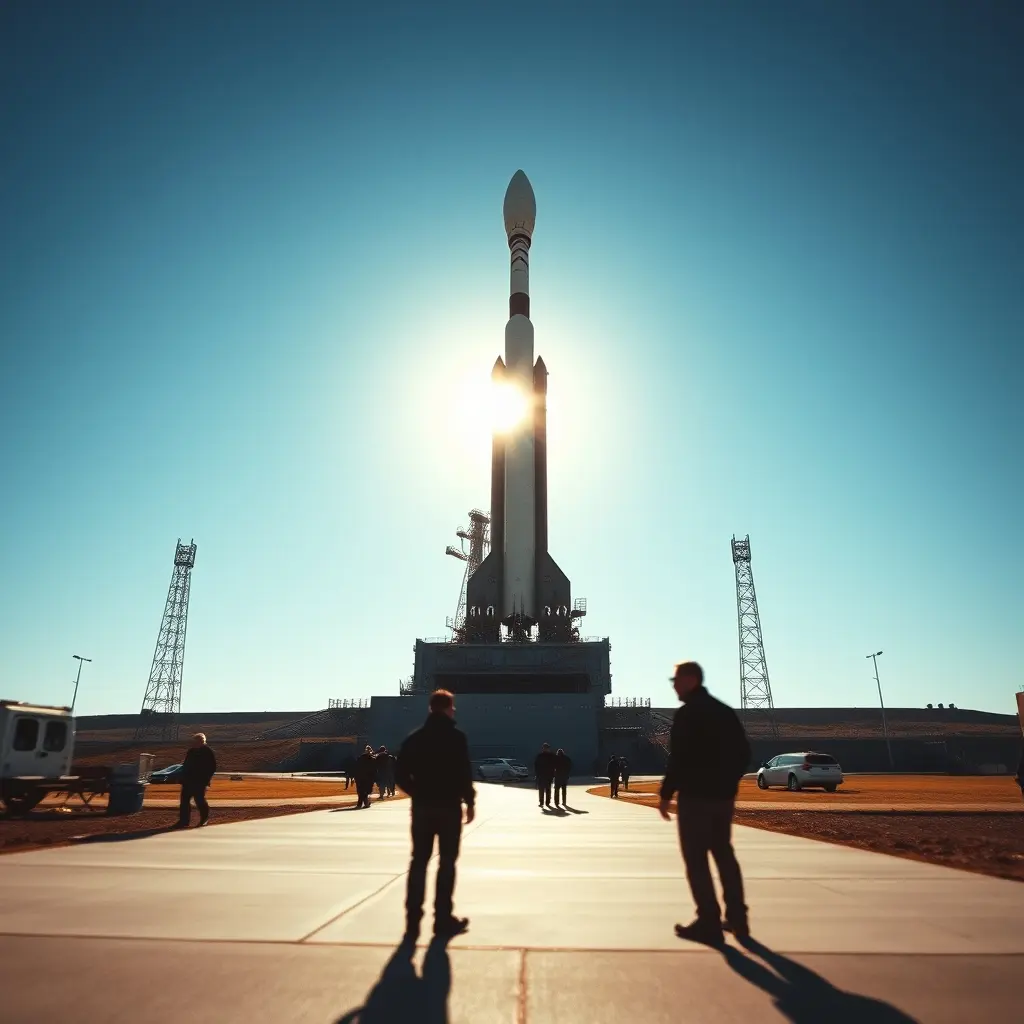
The Crew-13 mission follows a well-established procedure for human spaceflight to the ISS. The process begins with the launch of the SpaceX Falcon 9 rocket, which carries the Crew Dragon capsule atop it from Kennedy Space Center in Florida. Once in orbit, the Crew Dragon spacecraft separates from the rocket and maneuvers itself to rendezvous with the ISS. This orbital choreography involves precise calculations and adjustments to match the station's speed and trajectory. The astronauts inside the capsule are responsible for monitoring the spacecraft's systems and communicating with ground control throughout the flight. Upon successful approach, the Crew Dragon will dock with a designated port on the ISS, allowing the crew to transfer to the station and begin their assigned duties. The entire sequence, from ignition to docking, is a testament to the complex engineering and coordination involved in modern space travel.
Who is Affected and How: Astronauts and Science
The most immediate impact of the Crew-13 mission is on the four astronauts selected for this flight. They will spend several months aboard the ISS, living and working in a microgravity environment. Their daily routines will involve a mix of scientific experiments, station maintenance, and physical exercise. The research conducted by these astronauts is often sponsored by the International Space Station National Laboratory, which aims to maximize the station's utility as a national research platform. This research spans various fields, including human health, biology, and materials science, with potential applications that could benefit life on Earth. For the broader public, the success of such missions contributes to the ongoing exploration of space, technological innovation, and the inspiration of future generations of scientists and engineers.
What Happens Next: Mission Duration and Future Flights
Following their arrival, the Crew-13 astronauts will integrate into the existing ISS crew, taking on responsibilities that may include spacewalks, operating scientific equipment, and managing station systems. Their stay on the ISS is expected to last for approximately six months, after which they will return to Earth aboard the same Crew Dragon spacecraft. The success of Crew-13 will pave the way for subsequent missions, such as Crew-14 and beyond, reinforcing the routine access to space provided by the commercial crew program. Future outcomes depend on the continued reliability of the Falcon 9 rocket and Crew Dragon, as well as NASA's ongoing commitment to funding and supporting human spaceflight endeavors. Any significant technical issues or budget constraints could impact the frequency and scope of future ISS missions.
Share this article
Send the story to readers on social or messengers.
Comments
Loading comments…

New Times Reporter
Editorial coverage from New Times Reporter.