How does SpaceX's Cargo Dragon deliver supplies to the ISS?
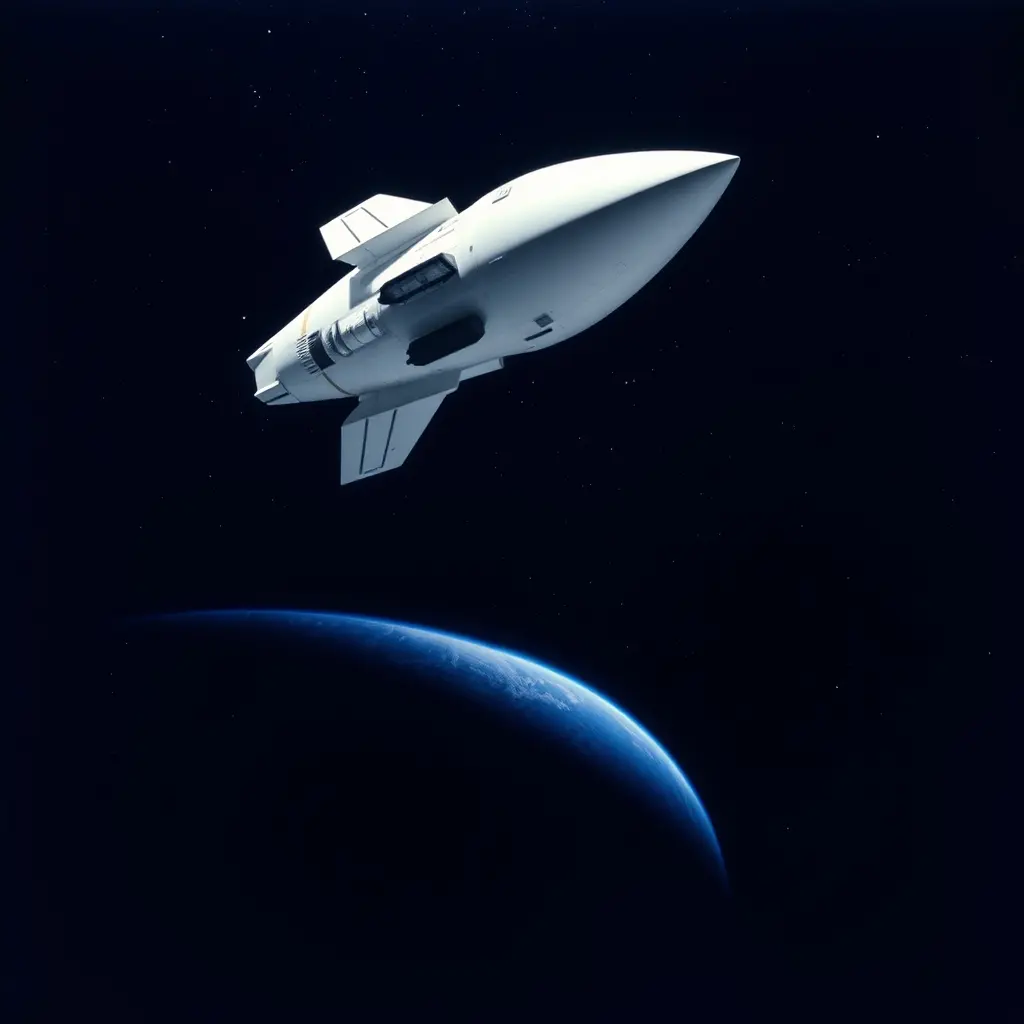
SpaceX's Cargo Dragon spacecraft successfully delivered over 6,000 pounds of essential supplies, scientific equipment, and critical hardware to the International Space Station (ISS) on October 15, 2026. This routine resupply mission underscores the vital role private companies now play in sustaining human presence in orbit and highlights the technological advancements enabling these complex logistical operations.
The Cargo Dragon is a workhorse for NASA's resupply program, designed to ferry cargo to and from the orbiting laboratory. Its ability to autonomously dock with the ISS, coupled with SpaceX's reliable launch capabilities, ensures a consistent flow of resources necessary for ongoing scientific research and astronaut well-being. The successful delivery of over 6,000 pounds of cargo, including vital components for experiments and station maintenance, is a testament to the maturity of this public-private partnership.
The Mechanism: From Launch to Docking
The journey of a Cargo Dragon to the ISS is a multi-stage process involving precision engineering and autonomous control. Following its launch atop a SpaceX Falcon 9 rocket from Kennedy Space Center in Florida, the Dragon spacecraft enters Earth orbit. Its trajectory is then carefully managed to align with the ISS's orbital path, a process that can take several days.
During this transit, the Dragon's onboard systems, guided by mission control and its own sophisticated navigation, perform continuous trajectory corrections. The spacecraft is equipped with advanced sensors and thrusters to maintain its orientation and speed relative to the station. As it approaches the ISS, the Dragon transitions to a controlled 'grapple' phase. Astronauts aboard the ISS, typically using the station's robotic arm, Canadarm2, capture the Dragon. Once secured, the arm maneuvers the spacecraft to its designated docking port on the station. The final connection is often a soft capture, followed by a secure mechanical latching, ensuring a tight seal for safe ingress and egress.
Who is Affected and How, Concretely
This resupply mission directly impacts the seven-person international crew living and working aboard the ISS. The delivered cargo includes everything from fresh food and water to replacement parts for life support systems and cutting-edge scientific experiments. For the astronauts, it means continued access to the resources needed for their survival and the successful execution of their demanding research schedules.
Beyond the immediate crew, the mission affects thousands of scientists on Earth. The new experiments and samples brought up by the Dragon will enable research in fields such as biology, human physiology, materials science, and Earth observation. The successful delivery ensures that these scientific endeavors can proceed without interruption. Furthermore, the reliability of the Cargo Dragon service supports NASA's broader goals of maintaining a continuous human presence in low Earth orbit and facilitating future exploration missions.
What Happens Next, and What Would Have to Be True
Following the cargo transfer and unloading, the Cargo Dragon will be reconfigured to carry return cargo, including completed experiments and waste materials, back to Earth. It will then undock from the ISS and perform a deorbit burn, guiding itself back through the atmosphere for a splashdown in the ocean, where it will be recovered by SpaceX. This cycle of delivery and return is crucial for the ongoing operations of the ISS.
For future missions, SpaceX aims to increase the frequency and efficiency of these resupply runs. This would require continued success in Falcon 9 launches and Dragon recovery operations, as well as ongoing investment from NASA. The development of newer, larger cargo vehicles by SpaceX and other commercial partners could also expand the types and quantities of supplies that can be delivered, potentially reducing costs and increasing mission capabilities. The long-term viability of this resupply chain depends on sustained funding from government agencies and the continued innovation within the private space sector.
Share this article
Send the story to readers on social or messengers.
Comments
Loading comments…

New Times Reporter
Editorial coverage from New Times Reporter.