How does SpaceX's Falcon 9 launch SES satellites for global internet?
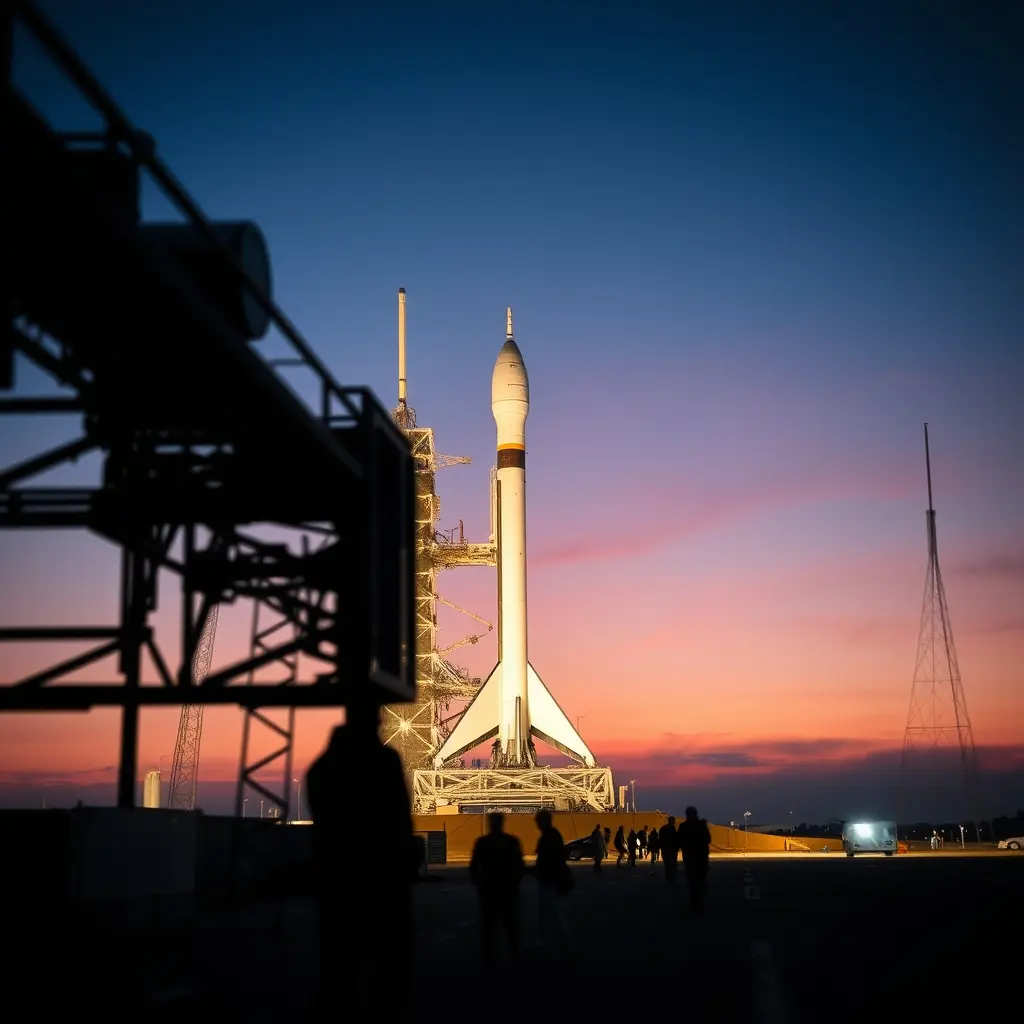
SpaceX successfully launched three O3b mPOWER satellites for SES on September 13, 2026, marking a significant step in expanding global internet connectivity. This mission, utilizing the reliable Falcon 9 rocket, is part of a larger constellation designed to provide low-latency broadband services. The O3b mPOWER system aims to bridge the digital divide by offering high-speed internet to underserved regions, including those in developing nations, remote areas, and maritime environments.
The launch deployed the satellites into medium Earth orbit (MEO), a crucial altitude that balances coverage and latency. Unlike geostationary satellites, which are much farther away, MEO satellites offer a faster connection, making them suitable for applications requiring real-time responsiveness, such as cloud computing, video conferencing, and online gaming. The O3b mPOWER constellation, once fully operational, will comprise 11 satellites, with this launch being the third for the system. Each satellite is designed to deliver terabits of data per second, significantly enhancing SES's capabilities in the satellite communications market.
The Background: Bridging the Digital Divide
For decades, satellite internet has been a lifeline for remote areas, but it has often been characterized by high latency and lower speeds compared to terrestrial broadband. The O3b mPOWER constellation represents a new generation of satellite technology designed to overcome these limitations. SES, a Luxembourg-based satellite operator, has been investing heavily in this project to offer a competitive alternative to terrestrial fiber and 5G networks, particularly in markets where building out physical infrastructure is prohibitively expensive or logistically challenging. This initiative is part of a broader global effort to connect the next billion internet users, many of whom reside in areas currently lacking reliable access.
The development of SES's O3b mPOWER system signifies a shift in the satellite industry towards providing services that closely mimic the performance of fiber-optic networks. This is achieved through a combination of advanced satellite design, sophisticated ground infrastructure, and strategic partnerships, such as the one with SpaceX for launch services. The project aims to serve a diverse range of customers, from governments and defense organizations requiring secure and resilient communication to enterprises and consumers seeking high-performance internet access.
The Mechanism: How the Launch and Constellation Work
The Falcon 9 rocket, a workhorse of SpaceX's launch fleet, is designed for reliability and reusability. On September 13, 2026, the rocket lifted off from Cape Canaveral Space Force Station in Florida, carrying the three O3b mPOWER satellites. After reaching orbit, the satellites were deployed and began their journey to their designated medium Earth orbit (MEO) positions, approximately 8,000 kilometers (5,000 miles) above the Earth. MEO provides a sweet spot, offering significantly lower latency than geostationary orbits (around 36,000 km) while still providing broad coverage.
Each O3b mPOWER satellite is equipped with advanced phased-array antennas capable of dynamically steering beams to serve millions of users simultaneously. This technology allows for flexible bandwidth allocation and the ability to connect directly to terrestrial networks via gateways. The constellation is designed to work in conjunction with SES's existing O3b fleet and ground stations, creating a robust and integrated network. The satellites communicate with ground stations located strategically around the globe, which then connect to the wider internet backbone. This end-to-end system is engineered to deliver speeds of up to 2 gigabits per second per terminal.
Who is Affected and How
This launch directly impacts businesses and individuals in regions previously underserved by high-speed internet. For enterprises, it means enhanced capabilities for cloud computing, remote operations, and global collaboration, regardless of their physical location. Governments and defense agencies can benefit from secure, high-bandwidth communication for critical missions and disaster response. In the maritime and aviation sectors, passengers and crew will experience improved connectivity, enabling better communication and entertainment services.
For consumers in remote or developing areas, the O3b mPOWER system promises a leap in internet quality, potentially enabling access to online education, telehealth services, and digital commerce. This could significantly reduce the digital divide, fostering economic development and social inclusion. The increased competition in the satellite internet market also puts pressure on existing providers to improve their services and pricing, potentially benefiting consumers globally. The fully deployed constellation is expected to serve millions of users with reliable, high-speed internet.
What Happens Next
The next steps involve the successful commissioning and integration of these three satellites into the O3b mPOWER constellation. SES will conduct rigorous testing to ensure optimal performance and connectivity before making the full services available. The remaining satellites in the constellation are scheduled for launch in subsequent missions, with the full network expected to be operational in the coming years. The success of O3b mPOWER will depend on SES's ability to secure new customers and demonstrate the system's superiority over existing solutions, both satellite and terrestrial.
Future outcomes hinge on several factors: the continued reliability and cost-effectiveness of SpaceX's launch services, the technological performance of the O3b mPOWER satellites in real-world conditions, and SES's market strategy. If successful, this constellation could redefine satellite broadband, making high-speed internet a reality for billions more people. Conversely, challenges such as regulatory hurdles, intense market competition from other satellite internet providers like Starlink, and the ongoing evolution of terrestrial networks could impact its long-term viability and widespread adoption.
Share this article
Send the story to readers on social or messengers.
Comments
Loading comments…

New Times Reporter
Editorial coverage from New Times Reporter.