How Iran and Oman plan to reopen the Strait of Hormuz
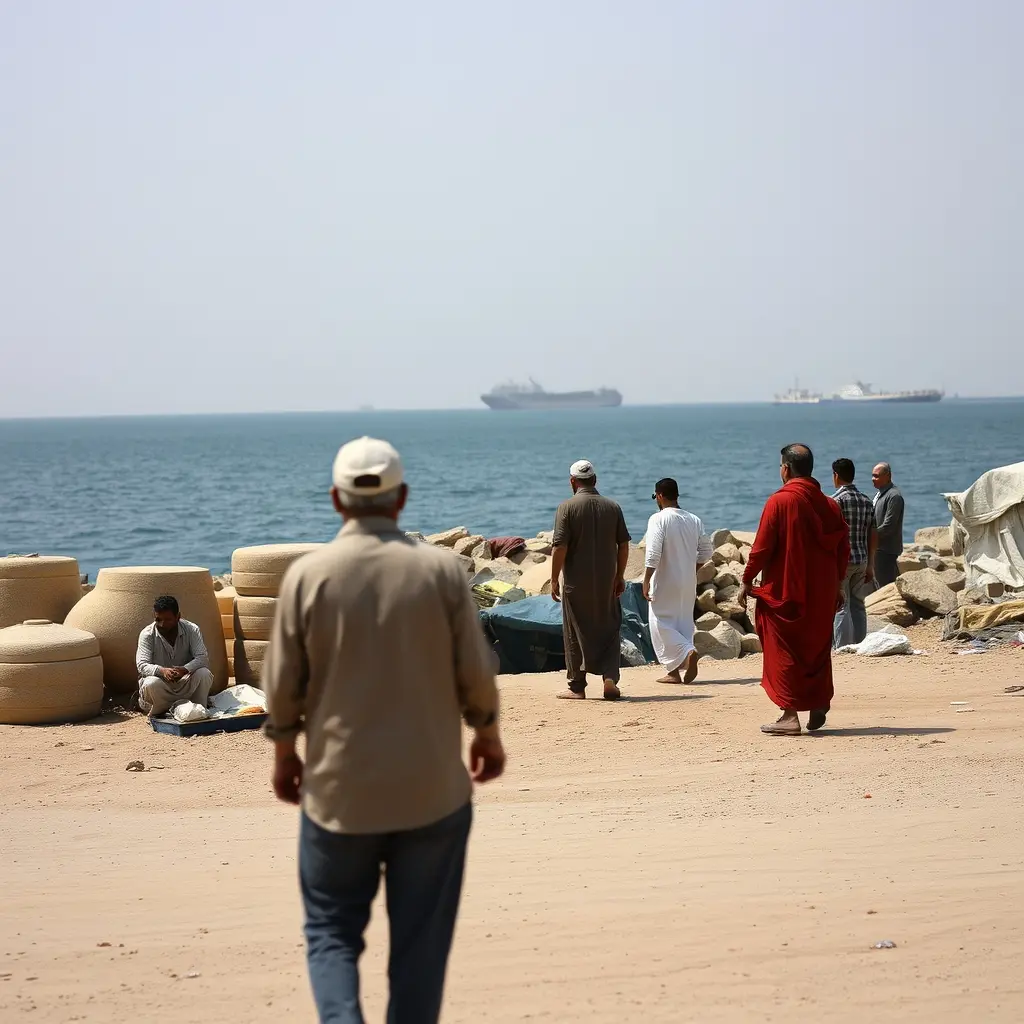
Iran has announced it is in the final stages of an agreement with Oman to establish a temporary shipping route through the Strait of Hormuz. This proposed route aims to alleviate disruptions to global energy markets caused by the ongoing conflict, which has seen the vital waterway effectively closed since February. The deal, if finalized, would allow traffic to resume for an estimated two to four months, though Iran insists that broader security concerns related to US actions must be addressed for full navigation to be guaranteed.
Iran's foreign ministry spokesman, Esmaeil Baqaei, stated on August 6, 2026, that the "geographical coordinates of the route" had been agreed upon with Oman. However, he cautioned that the agreement would not ensure safe passage as long as the United States maintained a naval blockade of Iranian ports and engaged in other "aggressive and threatening actions." The US and Oman have not yet officially commented on the specifics of this agreement. The potential reopening comes amid escalating tensions, with US President Donald Trump having warned Iran that it would face severe repercussions if the strait did not open "very soon."
The Background: A Vital Waterway Under Threat
The Strait of Hormuz is a critical chokepoint for global energy supplies, with approximately one-fifth of the world's oil and liquefied natural gas (LNG) typically passing through it. Since the outbreak of hostilities in February 2026, following wide-ranging strikes by the US and Israel on Iran, traffic through the strait has been severely curtailed. Iran has asserted control over passage, demanding pre-clearance for all vessels and reportedly attacking those that have ignored these orders. This has led to significant volatility in global energy prices, with benchmarks like Brent crude fluctuating wildly.
The current situation is a stark escalation of long-standing geopolitical tensions in the region. The conflict escalated significantly on February 28, 2026, when the US and Israel launched strikes against Iran. Iran retaliated with attacks on Israel and US-allied states in the Gulf, leading to the effective closure of the Strait of Hormuz. A key point of contention has been Iran's desire to impose transit fees on ships using the strait, a proposal met with resistance from the US and Oman, which has been acting as a mediator.
The Mechanism: A Temporary Shipping Corridor
The proposed agreement between Iran and Oman centers on establishing a designated, temporary shipping route through the Strait of Hormuz. According to Iran's Deputy Foreign Minister Kazem Gharibabadi, this route is intended to be operational for a period of two to four months. The core of the deal involves agreeing on the specific "geographical coordinates" for this corridor, ensuring that ships using it can navigate safely, at least from a navigational perspective.
However, the effectiveness and safety of this route are contingent on broader security considerations. Iran's position, as articulated by spokesman Esmaeil Baqaei, is that the presence of the US naval blockade on Iranian ports and other perceived hostile actions by Washington undermine the overall security of the strait. This suggests that while a route may be agreed upon, Iran reserves the right to restrict or control passage if its security demands are not met. The potential deal also reportedly includes provisions for Iran to have oversight over vessels entering the Gulf via the strait.
Who is Affected and How
This developing situation directly impacts global energy markets and the economies reliant on them. Fluctuations in oil and LNG prices, driven by the disruptions in the Strait of Hormuz, affect consumers worldwide through changes in fuel and energy costs. Businesses that depend on stable energy supplies also face uncertainty and potential cost increases.
For shipping companies, the establishment of a new, albeit temporary, route could offer a degree of predictability, but the underlying security concerns and potential for Iranian intervention remain significant risks. The agreement also has implications for regional powers, particularly Oman, which seeks to maintain its role as a neutral mediator and ensure stability in its maritime borders. The US, as a major player in regional security and a key energy consumer, is closely watching developments, with President Trump's warnings indicating a willingness to take further action if diplomatic solutions fail.
What Happens Next
The finalization of the Iran-Oman deal hinges on several factors. Firstly, formal confirmation and detailed operational plans from both Iran and Oman are required. Secondly, the US response will be crucial; while the deal is presented as a bilateral arrangement, Washington's stance on the proposed route, particularly regarding transit fees and security guarantees, will significantly influence its viability. Iran's Deputy Foreign Minister indicated that the route could open within two to four months, but this timeline is subject to the resolution of broader security concerns.
For the route to be fully functional and safe, a de-escalation of tensions between Iran and the US is likely necessary. The US has previously sought an agreement with no transit fees, while Iran has proposed a 5-7% fee and Oman has discussed around 3%. The resolution of these fee negotiations, alongside Iran's demand for an end to the naval blockade, will be key. If these issues are not resolved, the temporary route may face significant challenges, potentially leading to continued disruptions and further diplomatic or military escalations.
Share this article
Send the story to readers on social or messengers.
Comments
Loading comments…

New Times Reporter
Editorial coverage from New Times Reporter.