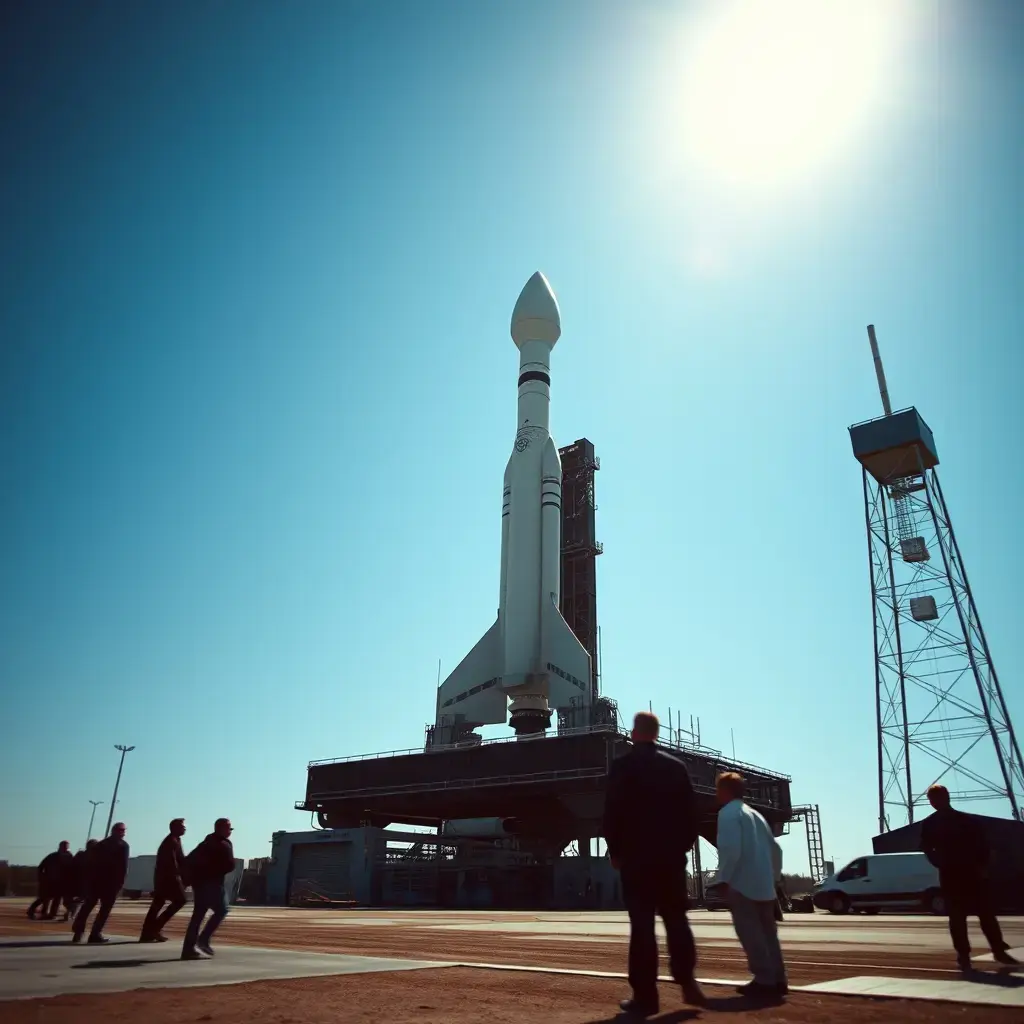
What happens when a SpaceX rocket hits the moon?

The Background: Space Junk's Lunar Destination
A piece of a SpaceX Falcon 9 rocket, designated as object 2015-007B, is on an unavoidable collision course with the Moon. This defunct booster stage was launched in February 2015 as part of the Deep Space Climate Observatory (DSCOVR) mission. After completing its primary task of propelling the DSCOVR satellite towards its destination, the rocket stage was left in a chaotic orbit, neither having enough fuel to return to Earth nor sufficient velocity to achieve a stable orbit around the Sun. For over seven years, it has been drifting through space, its trajectory gradually influenced by gravitational forces, leading to its current path towards lunar impact. This event highlights a growing concern in the space industry: the accumulation of orbital debris and its potential future consequences.
The Mechanism: A Seven-Year Journey to Impact
The Falcon 9 rocket's upper stage, weighing approximately 4,000 kilograms (8,800 pounds), was intentionally left in a trajectory that would not return it to Earth after its mission. This was a common practice for expendable rocket stages in the early days of space exploration, aiming to prevent them from re-entering Earth's atmosphere and potentially causing damage. However, the complex gravitational interactions in the Earth-Moon system meant the booster's orbit became unstable over time. It entered a "chaotic orbit" that eventually directed it towards the Moon. Scientists have been tracking its path, and the impact is expected to occur on March 4, 2022. The collision will be the first time a piece of space debris of this magnitude has intentionally or unintentionally impacted the lunar surface.
Who is Affected and How: Scientific Observation and Lunar Legacy
While the impact itself will not be visible from Earth with the naked eye, it presents a unique scientific opportunity. The Lunar Reconnaissance Orbiter (LRO), operated by NASA, is equipped to observe the impact site. Scientists anticipate that the collision will create a new crater on the Moon's surface, approximately 20 meters (65 feet) in diameter. The event will provide valuable data for understanding the composition of the lunar surface and the effects of such impacts. For the general public, this event serves as a stark reminder of the increasing amount of human-made objects in space and the long-term implications of space exploration. It raises questions about the responsible disposal of rocket stages and satellites, and the potential for future debris to pose risks to active spacecraft or even future lunar missions.
What Happens Next: Monitoring the Impact and Future Debris Management
Following the impact, scientists will analyze data from the LRO and other lunar observation assets to study the resulting crater and any ejected material. This event is expected to spur further discussion and potentially lead to new international guidelines or regulations for managing space debris. The long-term trajectory of the rocket stage was influenced by the gravitational pull of both the Earth and the Moon, a phenomenon that makes predicting the precise impact location and time challenging. Future missions will need to account for such long-term orbital dynamics when planning for expendable hardware. The incident underscores the need for more sustainable practices in space exploration, including the development of reusable rocket technology and more robust de-orbiting strategies for spacecraft and their components to prevent them from becoming long-term space hazards.
Share this article
Send the story to readers on social or messengers.
Comments
Loading comments…

New Times Reporter
Editorial coverage from New Times Reporter.