Why a $655M judgment against Palestinians matters for West Bank services
The Background
In March 2024, a U.S. civil lawsuit concerning attacks that occurred in Israel between 2002 and 2004 saw a $655.5 million judgment against Palestinian authorities revived. These attacks, which included shootings and bombings in the Jerusalem area, resulted in the deaths and injuries of Americans. The lawsuit was brought on behalf of these victims and their families. The legal battle has been ongoing for years, with the case initially dismissed, then reinstated, and now facing the prospect of enforcement.
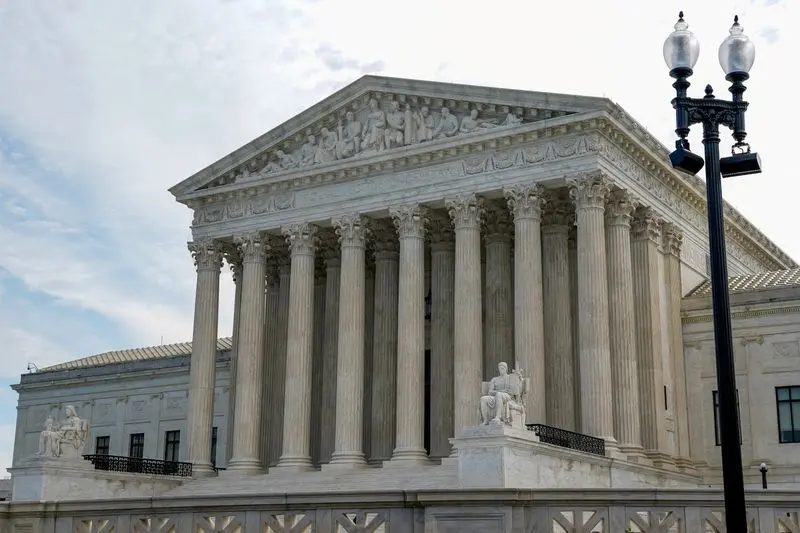
The U.S. Supreme Court played a crucial role in this development. In June 2025, the court upheld the Promoting Security and Justice for Victims of Terrorism Act, a federal law passed in 2019. This law allows for lawsuits against Palestinian authorities under specific conditions, including conducting certain activities in the U.S. or making payments to individuals who have attacked Americans. The Supreme Court's decision to uphold this law was pivotal in allowing the case to proceed.
How the Mechanism Works
The legal mechanism enabling this judgment hinges on the Promoting Security and Justice for Victims of Terrorism Act of 2019. This law, passed by Congress, created a pathway for victims of terrorism to sue Palestinian entities. It established that if the Palestinian Authority or the Palestine Liberation Organization (PLO) engage in specific actions, such as conducting certain business activities in the United States or making payments to individuals involved in attacks against Americans, they are deemed to have automatically consented to U.S. jurisdiction.
Following the Supreme Court's affirmation of this law, the 2nd U.S. Circuit Court of Appeals in Manhattan reconsidered the case. Previously, this court had dismissed the lawsuit in 2016, ruling that the lower court lacked jurisdiction. However, after the Supreme Court's ruling on the 2019 act, the 2nd Circuit reversed its earlier decision and reinstated the $655.5 million judgment awarded to the plaintiffs in 2015. Justice Sonia Sotomayor, handling emergency matters for the relevant circuit, recently denied a request by the Palestinian Authority and PLO to halt this judgment, allowing the enforcement process to potentially begin.
Who is Affected and How
The primary entities directly affected are the Palestinian Authority and the Palestine Liberation Organization (PLO). They face a substantial financial judgment of $655.5 million. The Palestinian organizations have warned that enforcing this judgment could cause severe financial harm, potentially destabilizing essential government services in the West Bank. These services include security, sanitation, and education, which they claim are already precarious.
They have indicated that the plaintiffs may seek payment from indirect Palestinian tax revenues collected by Israel. These tax revenues are a critical source of funding for Palestinian government operations. Therefore, the enforcement of this judgment could directly impact the daily lives of Palestinians in the West Bank by jeopardizing the provision of these vital public services. The plaintiffs, representing Americans killed or injured in attacks between 2002 and 2004, stand to receive compensation for their losses.
What Happens Next
The immediate next step is the potential enforcement of the $655.5 million judgment against the Palestinian Authority and PLO. Justice Sotomayor's denial of their request to halt the judgment means that the plaintiffs can now pursue legal avenues to collect the awarded damages. The Palestinian entities have argued that the judgment has become a legal "nullity" since their appeals were exhausted in 2018, a claim that has been rejected by the courts thus far.
For the judgment to be enforced, the plaintiffs will likely need to identify and target specific assets or revenue streams belonging to the Palestinian Authority and PLO. As the Palestinian organizations have stated, a key target could be indirect Palestinian tax revenues collected by Israel. The success of this enforcement will depend on the legal frameworks governing the seizure of such funds and the cooperation, or lack thereof, from Israeli authorities in facilitating such a transfer. The Palestinian leadership may continue to seek further legal recourse, potentially at the full Supreme Court, though the denial by Justice Sotomayor suggests a challenging path ahead.
Share this article
Send the story to readers on social or messengers.
Comments
Loading comments…

New Times Reporter
Editorial coverage from New Times Reporter.